

GPS Spoofer Anti Drone Technology: How Governments Stop GPS-Guided Drone Threats
Unmanned aerial vehicles (UAVs), commonly known as drones, are no longer limited to photography or delivery use cases. Today, GPS-guided drones are being used for surveillance, smuggling, espionage, sabotage, and hostile attacks. Governments across the world, including India, are facing serious challenges in securing airspace over defense bases, airports, borders, smart cities, and critical infrastructure.
Most modern drones rely heavily on Global Positioning System (GPS) data for navigation, waypoint flying, autonomous missions, and return-to-home functions. This dependency creates a critical vulnerability. GPS spoofer anti drone technology exploits this weakness by manipulating or misleading GPS signals, effectively neutralizing hostile drones without physical destruction.
As drone threats become smarter, governments are shifting from basic jamming solutions to advanced GPS spoofing-based anti drone systems as part of their Counter-UAS (CUAS) strategy.
Understanding GPS-Guided Drone Threats
How GPS-Based Drones Operate
Modern drones use GPS signals to:
- Follow pre-programmed flight paths
- Maintain altitude and positioning
- Execute autonomous surveillance missions
- Trigger return-to-home (RTH) in emergencies
- Coordinate swarm operations
This makes GPS the backbone of drone navigation. Any disruption or manipulation of GPS data directly impacts drone control.
Why GPS-Guided Drones Are a Security Risk
For governments and defense agencies, GPS-guided drones pose risks such as
- Border infiltration and surveillance
- Delivery of explosives or contraband
- Espionage near defence installations
- Disruption of airports and air traffic
- Threats to smart city command centres
Traditional detection alone is no longer enough. Neutralization is critical.
What Is GPS Spoofer Anti Drone Technology?
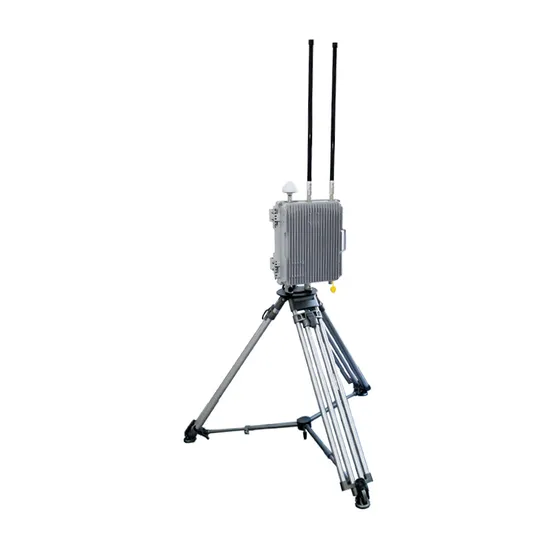
GPS spoofer anti drone technology is a defensive electronic warfare method that transmits counterfeit or manipulated GPS signals to deceive a drone’s navigation system.
Instead of simply blocking GPS signals (jamming), spoofing:
- Sends false location data
- Makes the drone believe it is somewhere else
- Forces mission failure, diversion, or safe landing
This makes GPS spoofing more controlled, precise, and intelligent than brute-force jamming.
GPS Spoofing vs GPS Jamming in Anti Drone Systems
| Feature | GPS Jamming | GPS Spoofing |
|---|---|---|
| Signal Method | Blocks GPS | Manipulates GPS |
| Control | Low | High |
| Precision | Broad disruption | Targeted deception |
| Collateral Impact | High | Minimal |
| Smart City Use | Limited | Highly suitable |
| Defence Preference | Medium | High |
Because of these advantages, governments increasingly prefer GPS spoofer anti drone systems for sensitive environments.
How GPS Spoofer Anti Drone Technology Works
Step-by-Step Operational Flow
- Drone Detection
Integrated radar, RF detectors, or electro-optical sensors identify a drone threat. - Signal Analysis
The system analyzes the drone’s GPS frequency and navigation behavior. - Spoofing Signal Transmission
Fake GPS signals are transmitted with higher strength than satellite signals. - Navigation Manipulation
The drone accepts false coordinates as real. - Mission Disruption
The drone:- Deviates from its path
- Enters hover mode
- Lands safely
- Flies away from the protected zone
This non-kinetic approach ensures safe neutralization without debris or explosion risk.
Why Governments Prefer GPS Spoofer Anti Drone Solutions
1. Controlled Neutralisation
GPS spoofing allows authorities to control drone behavior, instead of unpredictable crashes.
2. Legal and Operational Safety
In populated areas, spoofing reduces risks to civilians and infrastructure.
3. Smart City Compatibility
Does not disrupt telecom, emergency services, or civilian GPS usage when deployed correctly.
4. Defence-Grade Precision
Ideal for military bases, borders, and strategic installations.
Role of GPS Spoofer Anti Drone Technology in Government Security
Border and Coastal Surveillance
Used to stop GPS-guided drones involved in:
- Cross-border smuggling
- Reconnaissance missions
- Payload drops
Airports and Civil Aviation Protection
GPS spoofer anti drone systems prevent:
- Drone incursions near runways
- Air traffic disruptions
- Flight safety hazards
Protection of Critical Infrastructure
Including:
- Power plants
- Oil and gas facilities
- Ports and refineries
- Smart grid installations
GPS Spoofer Anti Drone Systems in Smart Cities
Smart cities depend on connected infrastructure, making them vulnerable to aerial threats.
Key Smart City Use Cases
- City command and control centres
- Government buildings
- Data centres
- Public event security
- Metro rail and transport hubs
A GPS spoofer anti drone solution integrates seamlessly with ICCC platforms, allowing real-time alerts, dashboards, and incident logs.
Defence and Military Applications
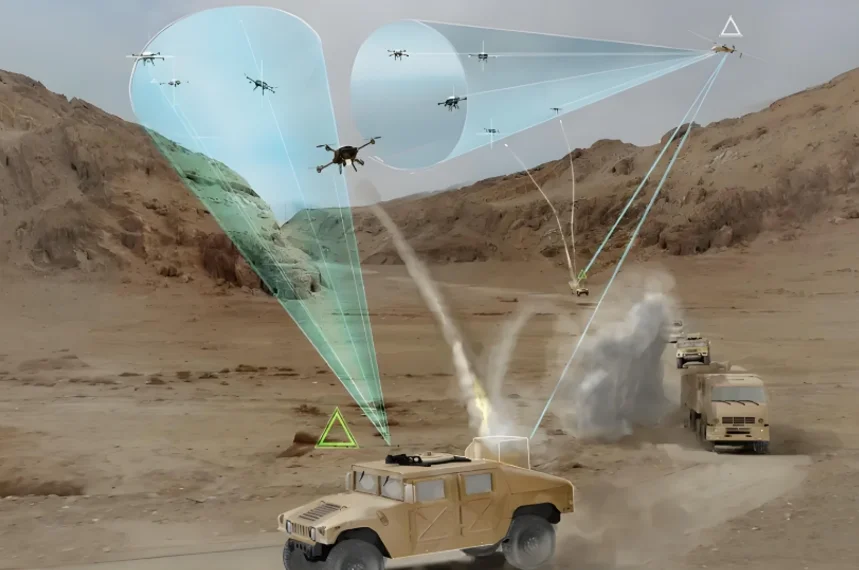
In defense environments, GPS spoofing is used as part of electronic warfare and CUAS architecture.
Defence Benefits
- Prevents drone-based intelligence gathering
- Neutralises autonomous mission drones
- Supports layered air defence
- Enables non-kinetic countermeasures
Modern defense doctrines favor soft-kill technologies, making GPS spoofing a strategic asset.
Made-in-India GPS Spoofer Anti Drone Technology
India is increasingly focusing on indigenous anti drone solutions aligned with:
- Atmanirbhar Bharat
- Defence indigenisation policies
- Secure supply chains
Indian-developed GPS spoofer anti drone systems are designed for:
- Local terrain conditions
- Indian frequency regulations
- Defence and government requirements
This ensures better adaptability, compliance, and long-term support.
Integration with Counter-UAS (CUAS) Architecture
A complete CUAS system includes:
- Drone detection radar
- RF detectors
- Electro-optical/thermal cameras
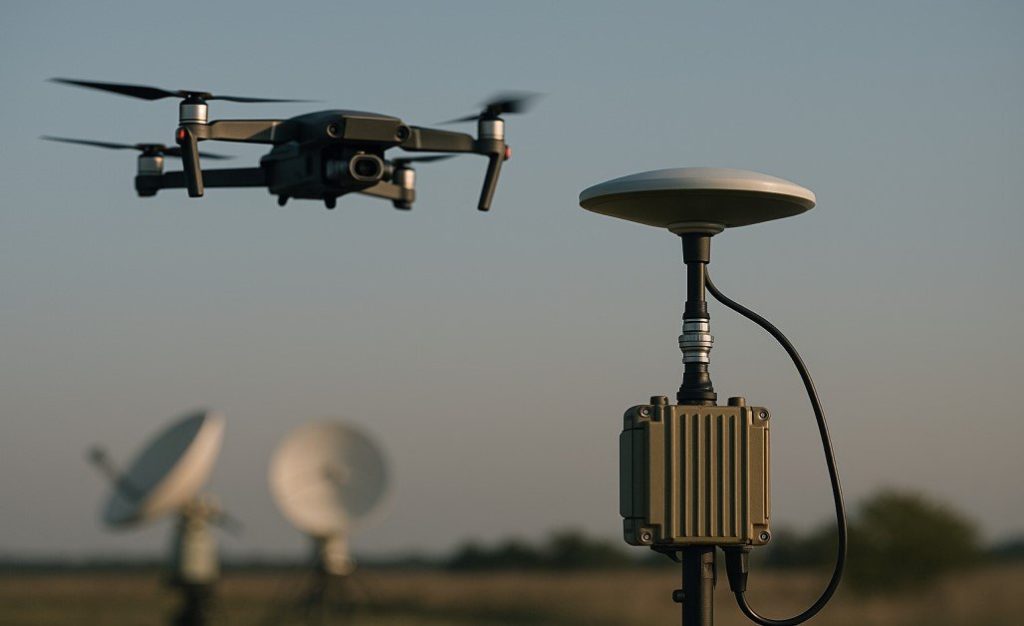
- GPS spoofer anti drone modules
- Command and control software
GPS spoofing acts as the neutralization layer, complementing detection and tracking technologies.
Challenges and Ethical Considerations
While powerful, GPS spoofing must be
- Used only by authorised agencies
- Deployed with regulatory compliance
- Configured to avoid civilian interference
Governments ensure strict SOPs and controlled deployment zones for safe operation.
Future of GPS Spoofer Anti Drone Technology
Emerging trends include:
- AI-driven spoofing strategies
- Adaptive signal manipulation
- Integration with swarm defence systems
- Autonomous threat classification
- Multi-GNSS spoofing (GPS, GLONASS, Galileo)
As drones evolve, GPS spoofer anti drone technology will remain a cornerstone of government airspace security.
Conclusion
GPS-guided drones represent a serious and evolving threat to governments, defense forces, and smart cities. GPS spoofer anti drone technology provides a sophisticated, controlled, and non-kinetic solution to neutralize these threats effectively.
By misleading drone navigation systems rather than destroying hardware, governments achieve higher safety, better control, and smarter airspace protection. As part of a modern CUAS framework, GPS spoofing is no longer optional—it is essential.