

Industrial Automation Services: Cost, Benefits, and ROI Explained
Introduction
In today’s competitive industrial landscape, companies are under constant pressure to reduce costs, improve production efficiency, and maintain consistent product quality. Manual operations and Traditional Manufacturing methods are no longer enough to meet growing customer expectations and market demands. This is where Industrial Automation Services play a crucial role. By integrating advanced technologies like robotics, PLCs, SCADA systems, Industrial IoT (IIoT), sensors, and Artificial Intelligence (AI), businesses can streamline operations while increasing productivity and reducing operational risks.
Whether you operate a manufacturing plant, warehouse, food processing unit, pharmaceutical company, or automotive factory, investing in Industrial Automation Services can significantly improve your production capabilities. Automation helps eliminate repetitive manual tasks, reduces human errors, enhances workplace safety, and provides real-time operational insights. As industries continue embracing digital transformation, automation has become a necessity rather than a luxury.
In this comprehensive guide, you’ll learn everything about Industrial Automation Services, including their importance, different types, how they compare with Traditional Manufacturing, and why businesses across industries are rapidly adopting modern industrial automation solutions to stay competitive.
What Are Industrial Automation Services?
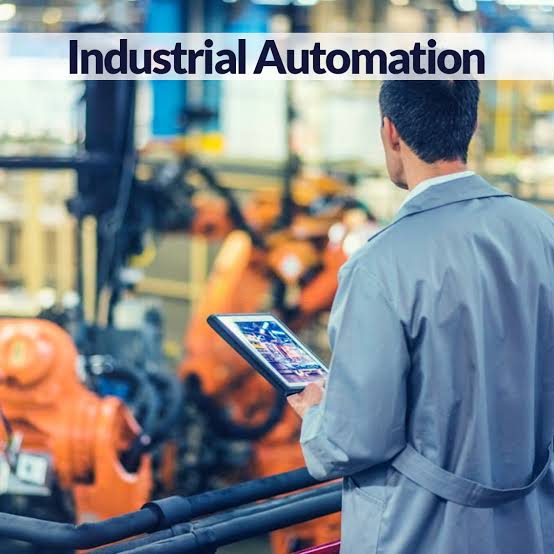
Industrial Automation Services refer to the design, implementation, integration, maintenance, and optimization of automated systems used in industrial environments. These services combine software, hardware, sensors, programmable controllers, robotics, machine vision, Industrial IoT, and intelligent monitoring systems to automate manufacturing and industrial processes.
Instead of depending heavily on manual labor, automated systems monitor machines, collect production data, control equipment, and optimize workflows with minimal human intervention. This results in faster production cycles, lower operational costs, and improved overall efficiency.
Modern industrial automation solutions are not limited to large manufacturing companies. Small and medium-sized businesses are also adopting automation to improve productivity, minimize downtime, and increase profitability without significantly increasing workforce expenses.
Core Components of Industrial Automation Services
Industrial automation involves several interconnected technologies that work together to improve industrial performance.
- Programmable Logic Controllers (PLCs)
- SCADA (Supervisory Control and Data Acquisition)
- Human Machine Interface (HMI)
- Industrial IoT (IIoT)
- Industrial Robotics
- Machine Vision Systems
- Motion Control Systems
- Smart Sensors
- Variable Frequency Drives (VFDs)
- Artificial Intelligence and Machine Learning
- Predictive Maintenance Systems
- Cloud-Based Monitoring Platforms
Each component contributes to creating a highly efficient production environment that can operate continuously with minimal interruptions.
Why Businesses Need Industrial Automation Services Today
The manufacturing industry has changed dramatically over the past decade. Increasing labor costs, rising customer expectations, stricter quality standards, and global competition have forced industries to rethink their production strategies. Manual operations alone cannot deliver the speed, consistency, and scalability required in today’s fast-paced market.
Industrial Automation Services help businesses overcome these challenges by creating intelligent production systems capable of operating around the clock. Automated machines perform repetitive tasks with exceptional accuracy, while advanced software monitors production in real time to detect issues before they become costly problems.
Another major advantage is data-driven decision-making. Modern automation systems continuously collect valuable operational data, enabling managers to optimize production schedules, reduce waste, improve equipment performance, and increase overall profitability.
Traditional Manufacturing vs Industrial Automation Services
For decades, industries relied on Traditional Manufacturing, where production depended heavily on manual labor and operator experience. While this approach served businesses well in the past, it often resulted in inconsistent quality, slower production, higher labor costs, and increased chances of human error.
Today, Industrial Automation Services have transformed manufacturing by replacing repetitive manual processes with intelligent automated systems. These systems can operate continuously with greater precision, higher speed, and improved safety while significantly reducing operational expenses.
| Traditional Manufacturing | Industrial Automation Services |
|---|---|
| Heavy dependence on manual labor | Automated machines perform repetitive tasks |
| Higher chances of human error | High precision and consistent quality |
| Slower production speed | Faster production cycles |
| Limited production monitoring | Real-time monitoring and analytics |
| Higher maintenance costs | Predictive maintenance reduces downtime |
| More workplace accidents | Improved employee safety |
| Difficult to scale production | Easily scalable operations |
| Higher long-term operating costs | Better long-term return on investment |
This comparison clearly shows why organizations across various industries are replacing Traditional Manufacturing processes with advanced automation technologies.
Key Features of Industrial Automation Services
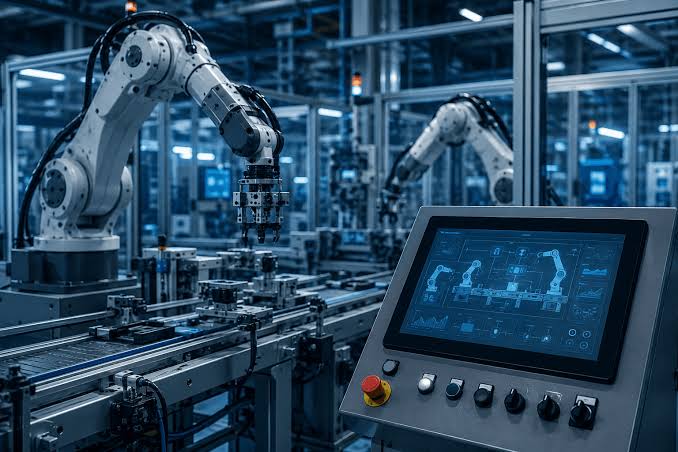
Modern Industrial Automation Services offer much more than simple machine automation. They create an intelligent production ecosystem where machines, software, and operators communicate seamlessly.
Some of the most valuable features include:
Real-Time Monitoring
Automation systems continuously monitor machines, production lines, energy consumption, and equipment health. Managers receive instant alerts whenever abnormalities occur, allowing quick corrective action.
Predictive Maintenance
Instead of waiting for machines to fail, predictive maintenance systems analyze equipment performance using sensors and AI algorithms. This helps identify potential issues before they cause unexpected downtime.
Remote Access
Cloud-based automation platforms allow plant managers and engineers to monitor production remotely using computers, tablets, or smartphones. This increases flexibility and improves operational control.
Intelligent Reporting
Automation software automatically generates production reports, maintenance logs, machine performance data, and quality metrics. These reports help businesses make informed decisions based on accurate real-time information.
Energy Optimization
Modern industrial automation solutions monitor electricity usage and optimize machine performance to reduce unnecessary energy consumption, lowering operational costs and supporting sustainability goals.
Cost of Industrial Automation Services
One of the first questions business owners ask before investing in Industrial Automation Services is, “How much will it cost?” The answer depends on several factors, including the size of the facility, the complexity of the production process, the type of automation required, and the technologies being implemented. While automation requires an initial investment, the long-term financial benefits often outweigh the upfront costs.
The cost of automation varies from small-scale upgrades, such as installing smart sensors or PLC systems, to complete factory automation involving robotics, Industrial IoT, SCADA software, and AI-powered monitoring systems. Companies should view automation as a long-term investment rather than an expense because it helps reduce labor costs, minimize production errors, and improve operational efficiency over time.
Another important factor is scalability. Many businesses begin with a single automated production line and gradually expand automation across multiple departments. This phased approach makes Industrial Automation Services more affordable while allowing companies to experience measurable improvements before making larger investments.
Average Cost Components of Industrial Automation Services
The total investment depends on the technologies and services included in the automation project. Understanding these cost components helps businesses plan their budgets more effectively.
| Automation Component | Estimated Cost Impact |
|---|---|
| PLC Programming | Low to Medium |
| SCADA System Integration | Medium |
| HMI Development | Medium |
| Industrial Robotics | High |
| Conveyor Automation | Medium to High |
| Machine Vision Systems | Medium |
| Industrial IoT Integration | Medium |
| AI-Based Predictive Maintenance | Medium to High |
| Installation & Commissioning | Medium |
| Employee Training | Low to Medium |
| Annual Maintenance | Ongoing Investment |
Although advanced industrial automation solutions may seem expensive initially, they often generate significant savings through increased productivity and lower operating costs.
Factors That Affect the Cost of Industrial Automation Services
Every manufacturing facility has unique requirements, which means automation costs can vary significantly. Understanding the key factors influencing pricing helps businesses make informed investment decisions.
1. Factory Size
Larger manufacturing plants require more controllers, sensors, machines, networking equipment, and software licenses. As the production area increases, the complexity of automation also grows, resulting in higher implementation costs.
However, larger facilities often achieve greater returns because automation impacts multiple production lines simultaneously, leading to substantial efficiency improvements.
2. Level of Automation
Not every business needs complete factory automation. Some companies only automate repetitive processes, while others automate the entire production workflow.
Common automation levels include:
- Basic machine automation
- Semi-automated production lines
- Fully automated manufacturing systems
- Smart factories with AI and Industrial IoT
The more advanced the automation level, the greater the investment. However, advanced systems also deliver higher productivity and better long-term performance.
3. Existing Infrastructure
Businesses with modern machinery can integrate Industrial Automation Services more easily than facilities operating older equipment. Legacy machines may require upgrades, retrofitting, or complete replacement before automation can be implemented effectively.
Companies with newer production equipment usually experience lower installation costs because fewer modifications are needed.
4. Software Integration
Automation projects often involve connecting machines with ERP systems, inventory management software, quality control platforms, and cloud-based monitoring solutions.
Smooth software integration improves operational visibility but can increase project costs depending on the complexity of existing business systems.
5. Customization Requirements
Every manufacturing process is different. Some industries require highly customized automation systems designed specifically for their production workflows.
Examples include:
- Pharmaceutical manufacturing
- Chemical processing
- Food production
- Automotive assembly
- Electronics manufacturing
Customized industrial automation solutions usually require additional engineering, programming, testing, and commissioning, increasing the overall project cost.
6. Safety and Compliance Standards
Many industries must comply with strict safety regulations and quality standards. Automation systems may need additional emergency controls, safety sensors, machine guarding, cybersecurity measures, and regulatory certifications.
Although these features increase initial costs, they improve workplace safety and reduce the risk of costly compliance issues in the future.
Cost Comparison: Traditional Manufacturing vs Industrial Automation Services
The financial impact of automation becomes clearer when comparing it with conventional production methods.
| Cost Factor | Traditional Manufacturing | Industrial Automation Services |
|---|---|---|
| Labor Costs | High | Low |
| Production Speed | Moderate | High |
| Product Quality | Inconsistent | Highly Consistent |
| Material Waste | Higher | Lower |
| Machine Downtime | Frequent | Minimal |
| Maintenance Strategy | Reactive | Predictive |
| Energy Efficiency | Lower | Higher |
| Workplace Safety | Moderate | High |
| Scalability | Limited | Easy to Scale |
| Overall ROI | Lower | Higher |
This comparison highlights how industrial automation solutions help businesses reduce recurring expenses while improving operational performance.
Benefits of Industrial Automation
One of the primary reasons businesses invest in Industrial Automation Services is the wide range of operational and financial advantages they offer. Automation is not just about replacing manual work with machines—it is about creating smarter, faster, and more efficient production systems. Companies that adopt modern industrial automation solutions often experience higher productivity, improved product quality, and better resource utilization.
In today’s highly competitive market, manufacturers must deliver products quickly while maintaining consistent quality. Automation helps achieve these goals by minimizing human intervention in repetitive tasks and allowing employees to focus on high-value activities such as process optimization, quality improvement, and innovation. These improvements make automation a strategic investment for businesses aiming for long-term growth.
1. Increased Productivity
One of the biggest benefits of industrial automation is the ability to increase production output without significantly increasing labor costs. Automated systems can operate continuously with minimal interruptions, enabling factories to produce more products in less time.
Unlike manual operations, automated machines maintain consistent speed throughout the production cycle. They do not experience fatigue or performance fluctuations, making them ideal for high-volume manufacturing environments.
Key Advantages
- Faster production cycles
- Continuous 24/7 operation
- Higher manufacturing capacity
- Reduced production bottlenecks
- Improved workflow efficiency
2. Improved Product Quality
Maintaining consistent product quality is challenging in Traditional Manufacturing, where manual processes can lead to variations and defects. Automated systems perform repetitive tasks with exceptional accuracy, ensuring every product meets predefined quality standards.
Advanced sensors, machine vision systems, and AI-powered inspection tools can detect defects in real time. This reduces product rejection rates, minimizes customer complaints, and strengthens brand reputation.
Quality Improvements Include
- Consistent manufacturing standards
- Reduced defects
- Better inspection accuracy
- Improved customer satisfaction
- Lower product returns
3. Lower Operational Costs
Although Industrial Automation Services require an initial investment, they significantly reduce long-term operational expenses. Automated production minimizes material waste, reduces labor dependency, and lowers maintenance costs through predictive monitoring.
Automation also optimizes energy consumption by ensuring machines operate efficiently. This helps businesses lower utility bills while supporting sustainability initiatives.
Cost Savings Come From
- Lower labor expenses
- Reduced material waste
- Less machine downtime
- Improved energy efficiency
- Reduced maintenance costs
4. Enhanced Workplace Safety
Industrial environments often involve hazardous machinery, high temperatures, chemicals, and repetitive manual tasks. Automation reduces employee exposure to these risks by allowing machines and robots to perform dangerous operations.
Modern safety systems include emergency shutdown mechanisms, intelligent sensors, machine guarding, and real-time monitoring that help prevent accidents before they occur. This creates a safer workplace while reducing compensation claims and compliance issues.
Safety Benefits
- Reduced workplace injuries
- Automated hazardous operations
- Continuous safety monitoring
- Better regulatory compliance
- Improved employee confidence
5. Better Data Collection and Analytics
Modern Industrial Automation Services generate valuable operational data that helps businesses improve decision-making. Every machine, sensor, and production line continuously collects information related to productivity, equipment health, energy usage, and product quality.
Managers can use this data to identify production bottlenecks, optimize maintenance schedules, and improve overall operational efficiency. Data-driven manufacturing enables companies to make faster and more accurate business decisions.
Valuable Insights Include
- Machine performance
- Production efficiency
- Equipment health
- Energy consumption
- Product quality metrics
6. Faster Decision-Making
Real-time dashboards provide managers with complete visibility into factory operations. Instead of waiting for manual reports, decision-makers can instantly monitor production performance, identify issues, and implement corrective actions.
This immediate access to operational information allows businesses to respond quickly to changing market demands and production challenges, improving overall competitiveness.
7. Scalability for Business Growth
As businesses grow, production requirements also increase. Expanding Traditional Manufacturing often requires hiring additional workers, increasing floor space, and investing in more manual equipment.
With industrial automation solutions, companies can scale production more efficiently by adding automated production lines, integrating additional machines, or upgrading software without dramatically increasing labor requirements.
Scalability Benefits
- Easier production expansion
- Faster response to market demand
- Reduced workforce dependency
- Flexible manufacturing capabilities
Understanding ROI in Industrial Automation Services
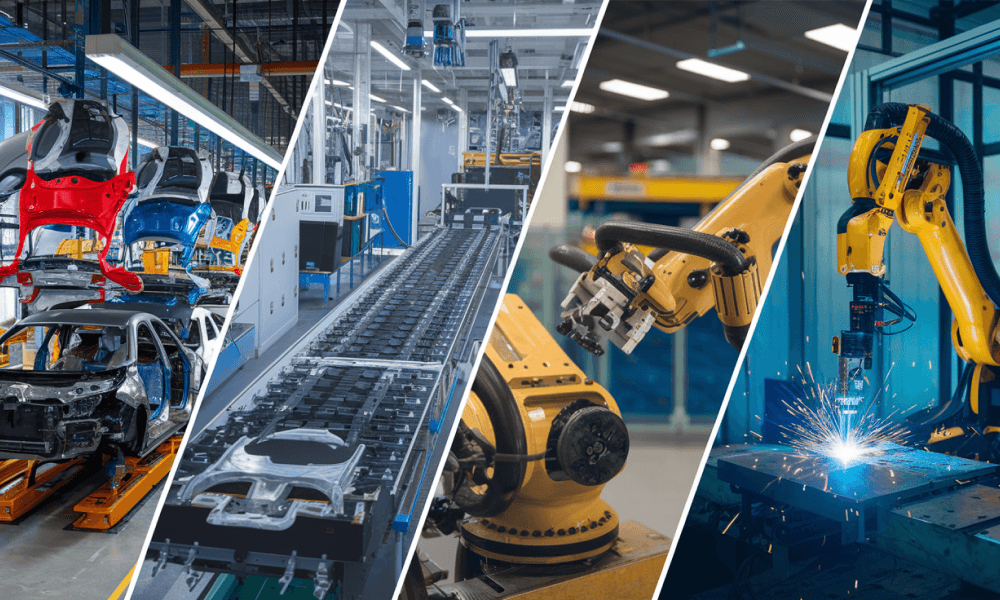
Return on Investment (ROI) is one of the most important factors businesses consider before implementing Industrial Automation Services. ROI measures how much financial value an automation project generates compared to its implementation cost.
While automation requires an upfront investment, the long-term savings from increased productivity, reduced downtime, improved product quality, and lower operating expenses often deliver an impressive return. In many industries, businesses recover their investment within a few years through improved efficiency and cost savings.
ROI should not be evaluated only in terms of financial gains. Improved customer satisfaction, better workplace safety, higher product consistency, and enhanced operational visibility also contribute to the overall value of automation.
How Industrial Automation Improves ROI
Automation creates value in several ways that directly contribute to higher profitability. By reducing inefficiencies and optimizing production processes, businesses can achieve sustainable financial growth.
Major ROI Contributors
- Increased production output
- Lower labor costs
- Reduced material waste
- Improved product quality
- Fewer customer complaints
- Reduced machine downtime
- Better inventory control
- Lower energy consumption
- Faster production cycles
- Increased equipment lifespan
When combined, these improvements significantly increase overall business profitability and demonstrate the true benefits of industrial automation.
Simple ROI Example
Consider a manufacturing company that spends a large portion of its annual budget on manual labor, production errors, machine downtime, and maintenance. After implementing Industrial Automation Services, the company experiences measurable improvements in productivity and operational efficiency.
Before Automation
- High labor expenses
- Frequent machine failures
- Manual quality inspection
- Higher product rejection rates
- Slower production speed
After Automation
- Reduced labor dependency
- Predictive maintenance
- Automated quality inspection
- Faster manufacturing
- Lower operating costs
- Increased customer satisfaction
Over time, the savings generated through automation exceed the initial investment, resulting in a positive return on investment while improving overall business performance.
Best Practices for Maximizing ROI
Businesses can significantly improve the success of their automation projects by following proven implementation strategies.
Recommended Best Practices
- Clearly define business objectives before implementation.
- Automate repetitive and high-impact processes first.
- Choose scalable industrial automation solutions.
- Train employees before system deployment.
- Monitor key performance indicators (KPIs) regularly.
- Perform preventive and predictive maintenance.
- Use real-time production analytics.
- Continuously optimize workflows based on operational data.
By following these best practices, organizations can maximize the benefits of industrial automation while achieving faster returns on their investment.
Conclusion
Industrial Automation Services have become a critical investment for businesses looking to improve productivity, reduce operational costs, and remain competitive in today’s fast-changing industrial landscape. While the initial implementation cost may seem significant, the long-term financial and operational benefits far outweigh the upfront investment. From increasing production speed and improving product quality to enhancing workplace safety and reducing downtime, automation delivers measurable value across every stage of manufacturing.
Compared to Traditional Manufacturing, automated production systems provide greater accuracy, better scalability, and real-time operational visibility. Businesses that adopt advanced industrial automation solutions are better equipped to meet growing customer demands while improving efficiency and profitability. The numerous benefits of industrial automation, combined with a strong return on investment, make automation one of the smartest decisions for modern industries.