

How to Choose the Right Weighbridge for Your Industry | Complete Buyer’s Guide 2026
Introduction
Selecting the right Weighbridge is one of the most important decisions for industries that depend on accurate vehicle weighing. Whether you operate in mining, logistics, manufacturing, construction, agriculture, ports, or waste management, the performance of your weighbridge directly impacts operational efficiency, billing accuracy, compliance, and profitability. Investing in the right solution helps businesses reduce manual errors, improve productivity, and ensure smooth material movement.
Modern industries are no longer satisfied with traditional weighing systems. Today, businesses are moving toward Weigh bridge automation to eliminate human intervention, improve security, and speed up the weighing process. Automated systems integrate technologies like RFID, ANPR cameras, boom barriers, IoT, cloud reporting, and ERP software, making weighbridge operations faster and more reliable.
In this comprehensive guide, you’ll learn How to Choose the Right Weighbridge, understand the different types available, discover the benefits of Weighbridge automation, and explore the key factors that help industries make a smart investment for long-term success.
Why Choosing the Right Weighbridge Matters
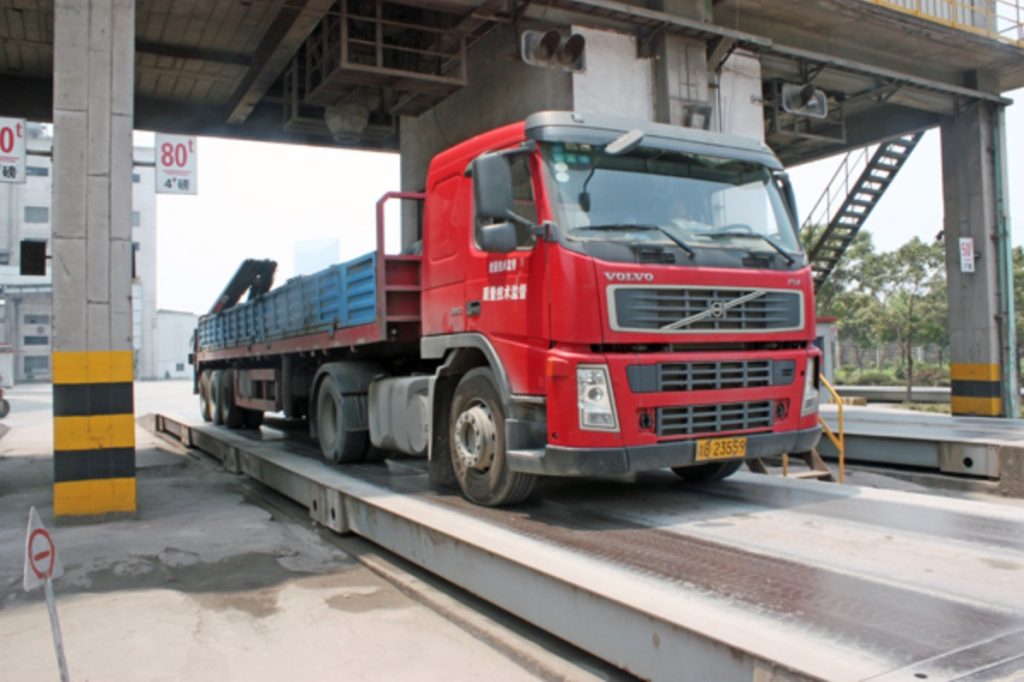
A weighbridge is much more than a weighing platform. It serves as the foundation of inventory control, logistics management, billing accuracy, and regulatory compliance. Choosing an unsuitable weighbridge can result in inaccurate weight measurements, frequent maintenance, operational delays, and financial losses.
An ideal Weigh bridge should deliver consistent performance under heavy traffic, harsh weather conditions, and continuous industrial operations. It should also be capable of integrating with modern digital technologies that simplify business operations.
Some of the major advantages include:
- Accurate vehicle weighing
- Faster vehicle movement
- Reduced operational costs
- Better inventory management
- Improved security
- Regulatory compliance
- Reliable reporting and analytics
- Long equipment lifespan
What is a Weighbridge?
A Weighbridge is a heavy-duty weighing platform designed to measure the gross and net weight of trucks, trailers, tankers, and commercial vehicles carrying goods. It is widely used across industries where materials are transported in bulk quantities.
The system consists of a strong platform supported by load cells that accurately measure the weight of vehicles. The recorded weight is then displayed on a digital indicator or transferred to specialized software for reporting and record management.
Industries use weighbridges for:
- Manufacturing plants
- Mining operations
- Cement industries
- Steel plants
- Warehouses
- Logistics companies
- Agriculture
- Ports
- Waste management facilities
- Chemical industries
- Food processing industries
What is Weighbridge Automation?
One of the most searched questions today is what is weighbridge automation?
Weigh bridge automation is the process of replacing manual weighbridge operations with intelligent hardware and software systems that automatically identify vehicles, capture weight data, generate reports, and control vehicle movement with minimal human intervention.
Instead of relying on manual entries, automated weighbridge systems use technologies such as:
- RFID Cards
- ANPR (Automatic Number Plate Recognition)
- Boom Barriers
- Traffic Lights
- IP Cameras
- Sensors
- IoT Devices
- Cloud-Based Monitoring
- ERP Integration
- Mobile Applications
These technologies work together to ensure accurate, transparent, and secure weighing operations.
Why Industries are Switching to Weighbridge Automation
Industries are rapidly adopting Weigh bridge automation because manual processes often lead to delays, fraud, and human errors. Automated systems provide real-time monitoring while improving overall operational efficiency.
Some of the biggest reasons include:
1. Eliminates Manual Errors
Manual data entry often results in incorrect vehicle details, duplicate records, and billing mistakes. Automation records all information digitally, ensuring greater accuracy.
2. Prevents Weight Manipulation
Integrated cameras, RFID systems, and ANPR technology help prevent unauthorized vehicle entries and fraudulent weighing practices.
3. Faster Vehicle Processing
Vehicles spend less time waiting at the weighbridge, reducing congestion and improving logistics efficiency.
4. Better Data Management
Every transaction is stored digitally, making it easier to generate reports, monitor vehicle history, and analyze operational performance.
5. Increased Profitability
By minimizing losses caused by incorrect weighing, businesses improve revenue while reducing operational costs.
Different Types of Weighbridges
Understanding different weighbridge types is essential before deciding How to Choose the Right Weighbridge for your business.
1. Pit Mounted Weighbridge
A pit-mounted weighbridge is installed at ground level, allowing vehicles to drive directly onto the platform without ramps.
Advantages
- Saves space
- Easy vehicle movement
- Suitable for congested industrial areas
- Clean appearance
- Ideal for urban locations
Best For
- Warehouses
- Manufacturing plants
- Food industries
- Logistics hubs
2. Pitless Weighbridge
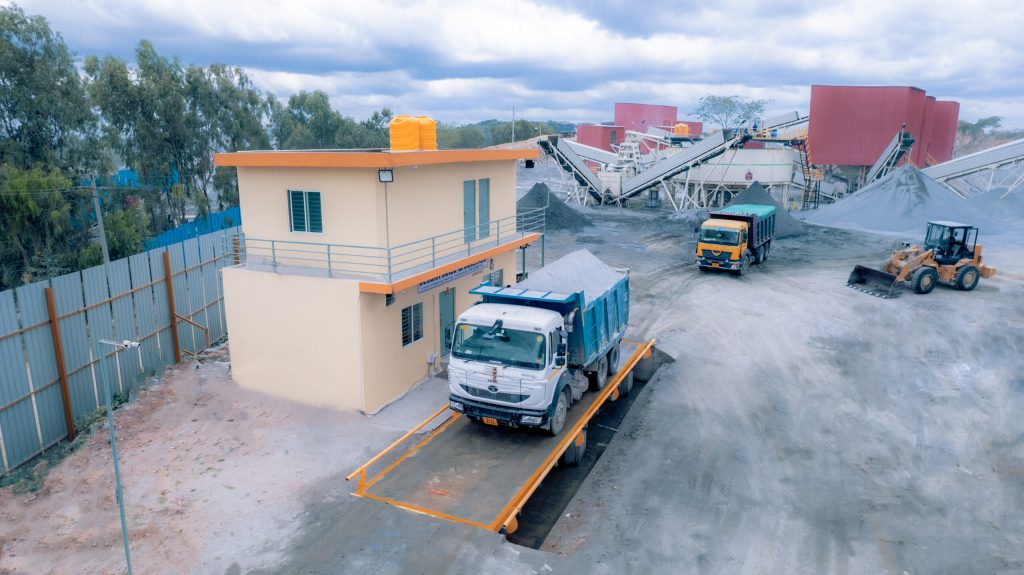
Pitless weigh bridges are installed above ground using ramps for vehicle access.
Advantages
- Lower installation cost
- Easy maintenance
- Faster construction
- Better drainage
- Easy relocation
Best For
- Mining
- Cement plants
- Construction sites
- Agriculture
- Steel industries
3. Portable Weighbridge
Portable weigh bridges are designed for temporary or mobile weighing applications.
Advantages
- Easy transportation
- Quick installation
- Cost-effective
- Suitable for remote locations
Best For
- Construction projects
- Mining exploration
- Temporary industrial sites
Key Components of a Modern Weighbridge
Every industrial Weigh bridge consists of several important components that work together to deliver accurate results.
Load Cells
Load cells are the heart of the weighing system. They convert mechanical force into electrical signals that determine vehicle weight.
Weighbridge Platform
The platform is designed using high-strength steel or reinforced concrete to withstand heavy vehicle loads over many years.
Digital Weight Indicator
This device displays the measured weight and communicates with automation software.
Junction Box
It collects signals from multiple load cells and transfers them to the weighing indicator.
Automation Software
Modern software records transactions, generates reports, manages users, and integrates with ERP systems.
ANPR Cameras
Automatically identify vehicle number plates without manual data entry.
RFID Reader
Recognizes authorized vehicles instantly, improving security and reducing processing time.
Boom Barrier
Controls vehicle entry and exit automatically after successful weighing.
Industries That Need a Weighbridge
Almost every heavy industry depends on accurate vehicle weighing. Some major sectors include:
- Mining Industry
- Cement Manufacturing
- Steel Plants
- Chemical Industries
- Agriculture
- Food Processing
- Warehousing
- Ports & Shipping
- Logistics Companies
- Waste Management
- Infrastructure Projects
- Power Plants
Each industry has unique weighing requirements, making it essential to understand How to Choose the Right Weighbridge based on operational needs.
How to Choose the Right Weighbridge: Step-by-Step Buyer’s Guide
If you’re wondering How to Choose the Right Weighbridge, follow these essential steps to make an informed decision.
1. Understand Your Industry Requirements
The first step is to identify how your business will use the weigh bridge. Different industries have different weighing needs, and selecting a solution tailored to your operations will improve productivity and accuracy.
Consider the following questions:
- What type of vehicles will be weighed?
- How many vehicles arrive each day?
- What materials are being transported?
- Is the weighbridge required for inbound, outbound, or both?
- Will it operate 24/7?
Industry-Specific Recommendations
| Industry | Recommended Weighbridge |
|---|---|
| Mining | Heavy-duty pitless weighbridge |
| Cement | Steel or concrete weighbridge with automation |
| Logistics | High-speed automated weighbridge |
| Agriculture | Medium-capacity weighbridge |
| Waste Management | Corrosion-resistant weighbridge |
| Manufacturing | ERP-integrated weighbridge |
Selecting the correct Weigh bridge based on industry requirements reduces downtime and improves operational efficiency.
2. Choose the Right Capacity
One of the most important decisions when learning How to Choose the Right Weighbridge is selecting the appropriate weighing capacity.
Buying a weighbridge with insufficient capacity can damage the equipment, while purchasing an oversized model may increase unnecessary costs. The ideal capacity should accommodate your heaviest loaded vehicle with room for future operational growth.
Common Weighbridge Capacities
- 20 Ton
- 30 Ton
- 40 Ton
- 50 Ton
- 60 Ton
- 80 Ton
- 100 Ton
- 120 Ton
- 150 Ton
For most logistics, manufacturing, and mining industries, a 60-ton or 100-ton Weigh bridge is commonly preferred.
3. Select the Correct Platform Size
Platform length plays a major role in ensuring accurate vehicle weighing. The weighbridge platform should comfortably accommodate the entire vehicle, including trailers.
Typical platform sizes include:
- 6 meters
- 9 meters
- 12 meters
- 16 meters
- 18 meters
- 20 meters
- 24 meters
General Recommendation
| Vehicle Type | Recommended Platform |
|---|---|
| Mini Trucks | 6–9 meters |
| Medium Trucks | 12–16 meters |
| Multi-Axle Trucks | 18–20 meters |
| Trailer Trucks | 20–24 meters |
Choosing the correct platform size minimizes weighing errors and ensures smooth vehicle movement.
4. Decide Between Steel and Concrete Weighbridge
Another key factor in How to Choose the Right Weigh bridge is selecting the platform material.
Steel Weigh bridge
Advantages
- Faster installation
- Lightweight design
- Factory manufactured
- Easy transportation
- Ideal for relocation
Best For
- Temporary projects
- Logistics companies
- Remote industrial sites
Concrete Weigh bridge
Advantages
- Longer lifespan
- Better stability
- Lower vibration
- Minimal maintenance
- Suitable for heavy traffic
Best For
- Cement plants
- Steel industries
- Mining
- Ports
- Large manufacturing facilities
Evaluate your operational environment and long-term plans before deciding between steel and concrete construction.
5. Check Load Cell Quality
Load cells are the core measuring components of every Weigh bridge. Their quality directly affects weighing accuracy and system reliability.
When selecting load cells, consider:
- High accuracy
- IP68/IP69K protection
- Stainless steel construction
- Corrosion resistance
- Lightning protection
- Temperature stability
- Long calibration life
High-quality load cells ensure consistent performance even in demanding industrial environments.
6. Evaluate Weighbridge Accuracy
Accuracy is essential for maintaining trust with customers, suppliers, and regulatory authorities. Even small measurement errors can lead to significant financial losses over time.
Look for a weighbridge that offers:
- High precision load cells
- Stable digital indicators
- Automatic calibration support
- Legal-for-trade certification (where applicable)
- Consistent readings under varying loads
An accurate Weigh bridge helps prevent disputes and improves overall business efficiency.
7. Consider Future Expansion
Many businesses purchase a weigh bridge based only on their current operations. However, business growth often brings larger vehicles, increased traffic, and additional automation requirements.
When planning your investment, consider:
- Expected business expansion
- Increased vehicle volume
- Additional branches
- Future software integration
- Cloud-based reporting
- Remote monitoring
Investing in a scalable Weighbridge system today can save significant upgrade costs in the future.
8. Choose Weighbridge Automation Features
Modern businesses increasingly rely on Weigh bridge automation to streamline operations, improve transparency, and reduce manual intervention. Automation not only speeds up the weighing process but also enhances security and provides real-time operational insights.
Essential Automation Features
- RFID Vehicle Identification
- ANPR (Automatic Number Plate Recognition)
- Boom Barrier Integration
- Traffic Signal System
- IP Surveillance Cameras
- LED Display Boards
- Driver Self-Service Kiosks
- Mobile Notifications
- Automatic Ticket Printing
- Cloud Data Storage
- Remote Monitoring Dashboard
- ERP & SAP Integration
By implementing Weigh bridge automation, businesses can eliminate manual errors, prevent fraud, and significantly improve operational efficiency.
Why Weighbridge Automation is Becoming the Industry Standard
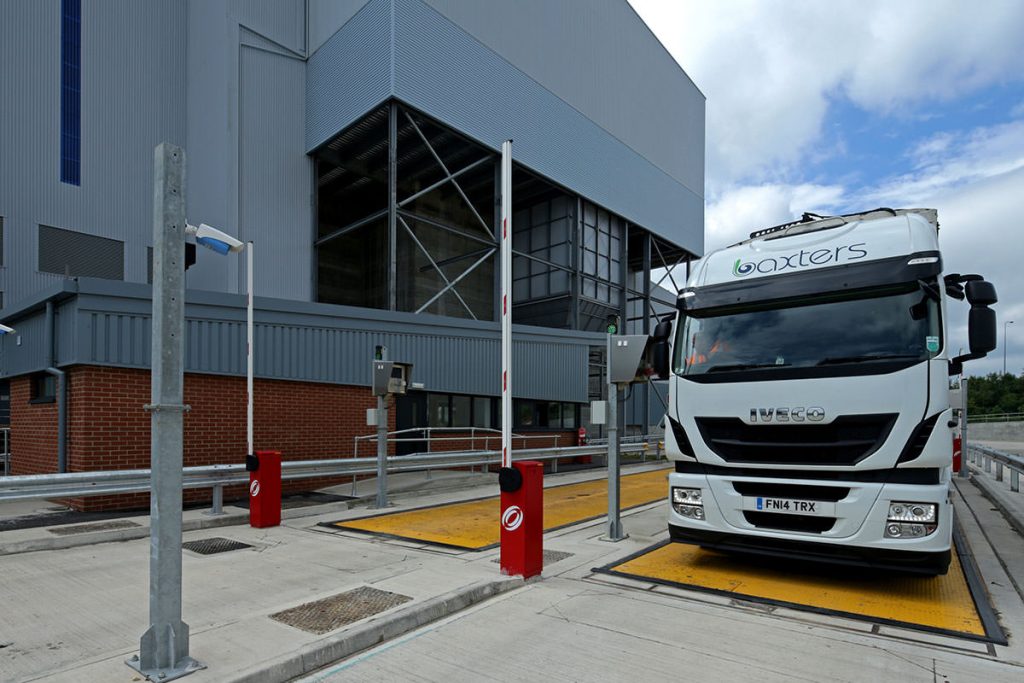
As industries embrace digital transformation, Weigh bridge automation has become a critical component of modern logistics and material handling. Traditional weighbridge operations often rely on manual data entry, handwritten records, and operator supervision, which can lead to delays, errors, and even fraudulent practices. Automated weigh bridge systems eliminate these challenges by integrating advanced technologies such as RFID, ANPR (Automatic Number Plate Recognition), IoT sensors, boom barriers, IP cameras, traffic lights, and cloud-based software into a single intelligent platform. This integration ensures faster vehicle movement, accurate data capture, enhanced security, and real-time reporting, making it an ideal solution for industries aiming to improve operational efficiency and reduce costs.
Automation also enables businesses to monitor weigh bridge operations remotely, analyze vehicle traffic patterns, and generate detailed reports for management. As industries continue to expand and vehicle movement increases, adopting Weighbridge automation is no longer just an upgrade—it is becoming a necessity for maintaining competitiveness and operational excellence.
Major Benefits of Weighbridge Automation
Businesses that invest in Weigh bridge automation experience significant improvements across multiple operational areas. Beyond simply automating the weighing process, these systems enhance productivity, improve data accuracy, and provide greater transparency in day-to-day operations.
1. Faster Vehicle Processing
Automated weigh bridges significantly reduce the time required to process each vehicle. With technologies like RFID and ANPR, vehicles are identified instantly, allowing them to move through the weighing process without manual intervention. Boom barriers and traffic signals automatically manage vehicle entry and exit, minimizing waiting times and reducing congestion at industrial facilities. Faster vehicle processing improves logistics efficiency and enables businesses to handle higher volumes of traffic each day.
2. Improved Accuracy
Manual recording of vehicle details often leads to mistakes in weight measurements and documentation. Automated systems capture weight data directly from calibrated load cells and store it digitally, eliminating the possibility of transcription errors. Accurate weight measurements are essential for inventory management, billing, taxation, and regulatory compliance, helping businesses avoid financial losses and customer disputes.
3. Enhanced Security
Security is a major concern for industries handling valuable raw materials and finished goods. Automated weigh bridge systems use surveillance cameras, ANPR technology, RFID authentication, and access control mechanisms to ensure that only authorized vehicles enter the premises. Every transaction is recorded with time stamps and photographic evidence, making it difficult for unauthorized activities or weight manipulation to occur.
4. Reduced Operational Costs
Although automation requires an initial investment, it substantially lowers long-term operational expenses. Businesses save money by reducing manual labor, minimizing paperwork, preventing revenue leakage, and improving resource utilization. Automated reporting also reduces administrative workload, allowing employees to focus on higher-value tasks.
5. Better Decision-Making
Modern Weighbridge software provides real-time dashboards, analytics, and customizable reports that help management make informed decisions. Businesses can track vehicle movement, monitor material flow, analyze peak traffic periods, and evaluate operational performance using accurate data. These insights support strategic planning and continuous process improvement.
What is Weighbridge Automation and Why Does It Matter?
Many businesses still ask what is weighbridge automation and whether it is worth the investment. In simple terms, weighbridge automation is the process of digitally managing the entire vehicle weighing operation with minimal or no human intervention. Instead of manually recording vehicle information and generating paper slips, automated systems identify vehicles, measure weights, capture images, and generate reports automatically.
This digital transformation improves transparency, enhances operational speed, and reduces opportunities for human error or fraud. Industries handling large volumes of incoming and outgoing vehicles benefit significantly because automation creates a seamless workflow that saves time while improving overall efficiency. As supply chains become increasingly data-driven, automated weigh bridge systems play a crucial role in supporting smart manufacturing and logistics operations.
Installation Tips for a Long-Lasting Weighbridge
Even the highest-quality Weigh bridge cannot deliver reliable performance if it is not installed correctly. Proper site preparation, foundation design, drainage planning, and equipment alignment are essential for achieving accurate weight measurements and maximizing the lifespan of the system. Installation should always be carried out by experienced professionals who understand industry standards and manufacturer guidelines.
Businesses should carefully evaluate the installation site to ensure adequate space for vehicle movement, proper approach roads, and sufficient drainage to prevent water accumulation. The foundation must be designed to withstand heavy vehicle loads while minimizing structural movement over time. Electrical wiring, networking infrastructure, and automation equipment should also be installed according to recommended safety standards. Investing in professional installation reduces maintenance issues and ensures consistent weighing accuracy.
Best Practices for Weighbridge Maintenance
Regular maintenance is essential to keep a Weigh bridge operating efficiently throughout its service life. Like any industrial equipment, weighbridges are exposed to heavy traffic, changing weather conditions, dust, moisture, and mechanical stress. Preventive maintenance not only extends equipment lifespan but also reduces unexpected breakdowns and costly repairs.
Maintenance Checklist
- Clean the weighbridge platform regularly.
- Remove mud, stones, and debris from underneath the platform.
- Inspect load cells for damage or corrosion.
- Verify cable connections and junction boxes.
- Calibrate the weighbridge at recommended intervals.
- Check the accuracy of digital indicators.
- Test RFID readers, ANPR cameras, and boom barriers.
- Update automation software and firmware when required.
- Inspect drainage systems to prevent water accumulation.
- Schedule annual servicing by certified technicians.
Following a preventive maintenance schedule ensures reliable performance, minimizes downtime, and protects your investment.
Factors That Affect Weighbridge Cost
The price of a Weighbridge varies depending on several technical and operational factors. While cost is an important consideration, businesses should focus on long-term value rather than choosing the lowest-priced option. A high-quality weighbridge with advanced automation features often delivers better return on investment through improved efficiency, reduced maintenance, and increased operational reliability.
Major Cost Factors
- Platform size
- Weighing capacity
- Steel or concrete construction
- Number and quality of load cells
- Automation features
- Software capabilities
- Installation requirements
- Civil foundation work
- Environmental protection features
- Annual maintenance contracts
Organizations should also consider future expansion plans, as investing in a scalable solution can prevent expensive upgrades later.
Return on Investment (ROI) of Weighbridge Automation
Many companies hesitate to adopt Weighbridge automation because of the initial investment. However, the long-term financial benefits often outweigh the upfront costs. Automated systems reduce manual labor requirements, prevent revenue leakage caused by weighing errors, minimize fraud, and improve vehicle throughput. These savings contribute to a faster return on investment and greater profitability over time.
Businesses also benefit from improved customer satisfaction due to faster vehicle processing and accurate billing. Digital records simplify auditing and compliance, while real-time analytics enable better operational planning. As industries continue to digitize their operations, automated weighbridge systems become valuable assets that support sustainable business growth.
Latest Trends in Weighbridge Technology
The industrial weighing sector is evolving rapidly, with new technologies transforming traditional weighing operations into intelligent, connected systems. Modern Weighbridge solutions are designed to integrate seamlessly with digital ecosystems, enabling businesses to monitor operations remotely and make data-driven decisions.
Some of the latest trends include:
- AI-powered vehicle identification
- Cloud-based weighbridge management
- IoT-enabled predictive maintenance
- Contactless vehicle weighing
- Mobile app integration
- Remote monitoring dashboards
- ERP and SAP integration
- Digital documentation and e-invoicing
- Real-time analytics and reporting
- Smart traffic management integration
These innovations help industries improve operational efficiency, reduce costs, and prepare for the future of Industry 4.0.
Why Choose an Automated Weighbridge for Future Growth?
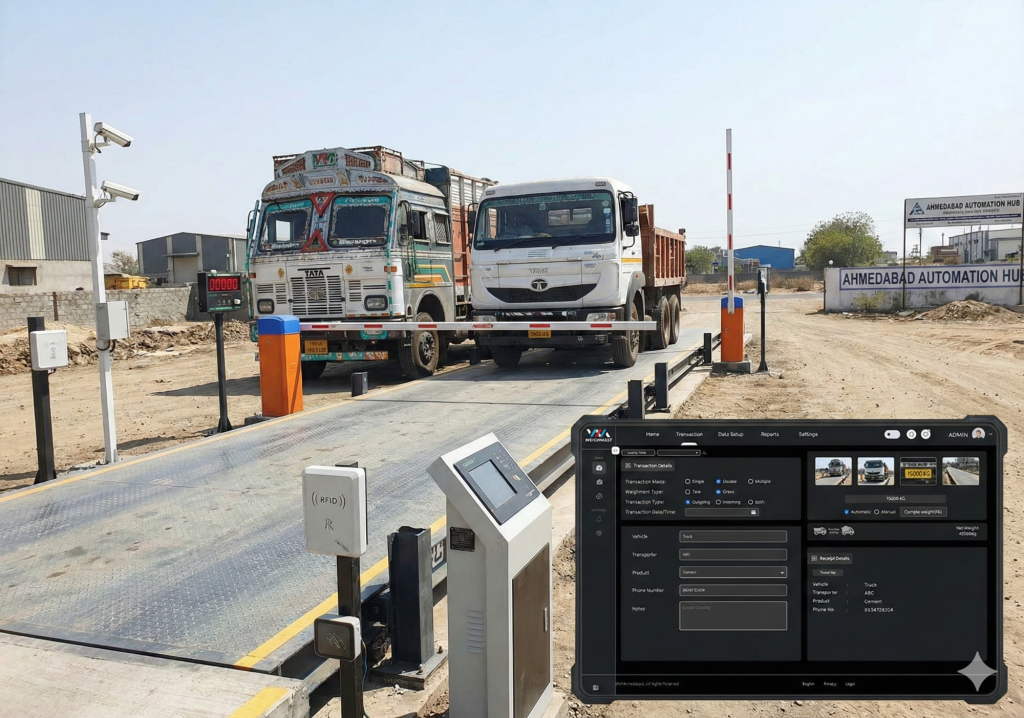
Businesses planning for long-term success should prioritize automation when selecting a Weighbridge. As operational demands increase, manual processes become less efficient and more prone to errors. Automated systems provide the scalability needed to handle growing vehicle traffic while maintaining high levels of accuracy and security.
Moreover, technologies such as RFID, ANPR, cloud reporting, and ERP integration enable organizations to build connected, data-driven operations. By understanding what is weighbridge automation and implementing the right solution, businesses can streamline workflows, improve transparency, and gain a competitive advantage in increasingly digital industrial environments.
Why Choose Kotai Electronics for Your Weighbridge Automation Solution?
Choosing the right technology partner is just as important as selecting the right Weighbridge. A reliable partner not only provides high-quality equipment but also offers expert consultation, professional installation, software integration, and long-term technical support. Businesses should look for a company with proven experience in industrial automation, intelligent traffic management, and digital weighing solutions to ensure their investment delivers maximum value over time.
Kotai Electronics has established itself as a trusted provider of intelligent industrial automation and weighing solutions in India. The company offers advanced Weighbridge automation systems designed to improve accuracy, eliminate manual intervention, and simplify vehicle weighing operations. By integrating technologies such as RFID, ANPR (Automatic Number Plate Recognition), IP cameras, boom barriers, LED displays, traffic lights, cloud-based software, and ERP connectivity, Kotai Electronics helps industries achieve faster, safer, and more transparent weighbridge management.
Whether you operate a manufacturing facility, logistics hub, mining site, warehouse, cement plant, steel factory, agricultural processing unit, or port, Kotai Electronics delivers customized automation solutions that can be tailored to your operational requirements. Their focus on innovation, quality, and after-sales support ensures businesses receive a reliable solution that improves productivity while reducing operational costs.
Features of a Modern Weighbridge Automation System
A smart Weighbridge automation solution should do much more than measure vehicle weight. It should automate the complete workflow, improve security, and provide actionable business insights.
A modern automated system typically includes:
- RFID-based vehicle identification
- Automatic Number Plate Recognition (ANPR)
- Boom barrier automation
- High-definition surveillance cameras
- Traffic light control
- LED display boards
- Digital weight indicators
- Smart weighbridge software
- Cloud-based data storage
- ERP and SAP integration
- SMS and email notifications
- Automatic receipt generation
- Remote monitoring dashboard
- Multi-user access with role-based permissions
- Comprehensive reporting and analytics
When these technologies work together, businesses can process vehicles more quickly, reduce manual paperwork, and maintain complete transparency throughout the weighing process.
Final Checklist: How to Choose the Right Weighbridge
Before making your final purchase decision, review this checklist to ensure you have selected the most suitable Weighbridge for your business.
✔ Industry Requirements
Confirm that the weighbridge is designed for your specific industry, whether it is mining, manufacturing, logistics, agriculture, ports, or waste management.
✔ Vehicle Capacity
Choose a weighing capacity that supports your heaviest vehicles while leaving room for future business growth.
✔ Platform Size
Ensure the platform is long enough to accommodate the largest vehicles without compromising weighing accuracy.
✔ Construction Material
Decide between steel and concrete platforms based on your operational environment, expected traffic volume, and maintenance preferences.
✔ High-Quality Load Cells
Invest in durable, corrosion-resistant load cells that deliver accurate readings under all weather conditions.
✔ Automation Features
Select a system with RFID, ANPR, boom barriers, surveillance cameras, and cloud-enabled software to improve efficiency and security.
✔ Software Compatibility
Verify that the weighbridge software can integrate seamlessly with your ERP, inventory management, and accounting systems.
✔ Maintenance and Support
Choose a supplier that offers preventive maintenance, calibration services, software updates, and responsive technical support.
✔ Future Scalability
Invest in a solution that can accommodate additional automation features, increased vehicle traffic, and business expansion without requiring major upgrades.
Following this checklist will help ensure your investment delivers reliable performance and long-term value.
Conclusion
Selecting the right Weighbridge is a strategic investment that can significantly improve operational efficiency, accuracy, and profitability. Instead of focusing solely on purchase price, businesses should carefully evaluate factors such as weighing capacity, platform dimensions, construction quality, software capabilities, automation features, maintenance support, and future scalability. A well-planned investment ensures reliable performance, reduces operational risks, and supports long-term business growth.
Understanding How to Choose the Right Weighbridge also means recognizing the value of digital transformation. Traditional weighing methods are increasingly being replaced by intelligent Weighbridge automation systems that automate vehicle identification, data capture, reporting, and access control. These advanced solutions not only reduce manual errors but also enhance transparency, strengthen security, and enable data-driven decision-making.