

Top Industrial Automation Companies in India: Transforming Manufacturing in 2026
India’s manufacturing sector is undergoing a massive transformation in 2026. With Industry 4.0 technologies, Artificial Intelligence (AI), Industrial Internet of Things (IIoT), robotics, machine vision, predictive maintenance, and smart factory solutions becoming mainstream, businesses are increasingly partnering with leading industrial automation companies to improve efficiency, reduce operational costs, and enhance production quality.
From automotive manufacturing and pharmaceuticals to logistics, smart cities, mining, and heavy industries, automation is becoming the backbone of modern industrial growth. As industries embrace digital transformation, the demand for reliable industrial automation companies in India continues to rise.
This article explores the top industrial automation companies in India that are reshaping manufacturing in 2026, compares their strengths, and highlights why industrial automation is essential for future-ready businesses.
What is Industrial Automation?
Before exploring the top companies, it is important to understand what is industrial automation.
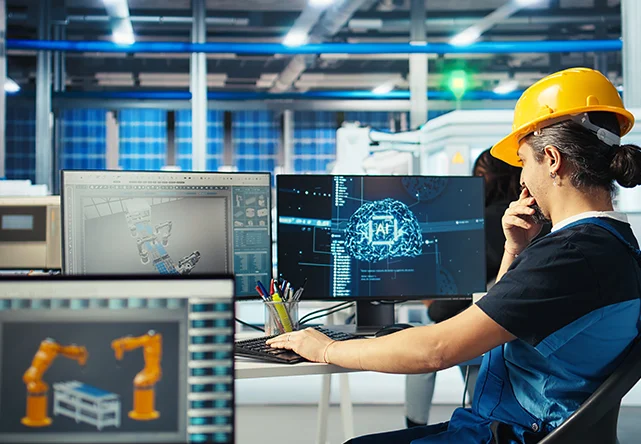
Industrial automation refers to the use of control systems, software, sensors, robotics, AI, machine vision, PLCs, SCADA systems, and industrial computers to automate manufacturing and industrial processes with minimal human intervention.
The primary objective of automation is to:
- Improve productivity
- Reduce operational costs
- Increase production speed
- Enhance workplace safety
- Minimize human errors
- Improve product quality
- Enable real-time monitoring
- Support predictive maintenance
Modern factories now rely on interconnected systems that collect data, analyze performance, and automatically make operational decisions to maximize efficiency. Industry 4.0 technologies such as AI, IoT, and smart sensors are accelerating automation adoption across India’s manufacturing ecosystem.
Why Industrial Automation is Important in 2026
Manufacturers face several challenges:
- Rising labor costs
- Global competition
- Quality control requirements
- Supply chain disruptions
- Increasing demand for faster production
Industrial automation helps organizations overcome these challenges through intelligent systems and data-driven decision-making.
Key Benefits of Industrial Automation
1. Increased Productivity and Operational Efficiency
One of the primary advantages of industrial automation is the ability to significantly increase productivity. Automated systems can operate continuously with minimal downtime, allowing manufacturers to maintain consistent production levels around the clock. Unlike manual operations, automated machines can perform repetitive tasks with high speed and accuracy, helping organizations meet growing market demands while maximizing output.
2. Improved Product Quality and Consistency
Maintaining consistent product quality is essential for customer satisfaction and brand reputation. Automation systems use advanced sensors, machine vision technology, and AI-powered inspection tools to detect defects and ensure every product meets predefined quality standards. This reduces variability in production and minimizes the chances of defective products reaching customers.
3. Reduced Operational and Labor Costs
Industrial automation helps businesses lower operational expenses by reducing dependency on manual labor for repetitive and time-consuming tasks. Automated systems improve resource utilization, reduce material waste, and optimize energy consumption. Over time, these savings contribute to a significant reduction in overall manufacturing costs and improve profitability.
4. Enhanced Workplace Safety
Many industrial environments involve hazardous tasks that can pose risks to workers. Automation allows dangerous operations to be handled by machines, robots, and intelligent monitoring systems, reducing the likelihood of workplace accidents and injuries. Smart safety systems can also provide real-time alerts and emergency responses, creating a safer working environment.
5. Real-Time Monitoring and Data Analytics
Modern industrial automation systems collect vast amounts of operational data through connected sensors and devices. This data can be analyzed in real time to identify inefficiencies, monitor equipment performance, and support better decision-making. Managers gain complete visibility into production processes, enabling them to quickly respond to issues and optimize operations.
6. Predictive Maintenance and Reduced Downtime
Unexpected equipment failures can lead to costly production delays. Industrial automation systems equipped with IoT sensors and AI analytics can monitor machine health and predict potential failures before they occur. This predictive maintenance approach helps businesses schedule maintenance activities proactively, reducing downtime and extending equipment lifespan.
7. Better Scalability and Business Growth
As manufacturing demands increase, automated systems can be scaled more easily than manual operations. Businesses can expand production capacity, introduce new product lines, and adapt to changing market requirements without major disruptions. This flexibility allows manufacturers to grow efficiently while maintaining high levels of performance.
8. Improved Supply Chain and Inventory Management
Automation solutions can integrate production systems with inventory and supply chain management platforms. Real-time tracking of raw materials, finished goods, and production schedules helps businesses maintain optimal inventory levels, reduce stock shortages, and improve delivery timelines.
9. Energy Efficiency and Sustainability
Many modern automation solutions are designed to optimize energy usage and reduce environmental impact. Smart systems monitor energy consumption and identify opportunities to improve efficiency. As sustainability becomes increasingly important, automation helps manufacturers meet environmental goals while lowering operational costs.
10. Competitive Advantage in the Global Market
Companies that adopt industrial automation can produce higher-quality products at lower costs and faster speeds. This improves customer satisfaction, increases profitability, and provides a significant competitive advantage in both domestic and international markets.
Top Industrial Automation Companies in India in 2026
1. Siemens India
Siemens remains one of the most influential industrial automation companies globally and continues to dominate the Indian automation market.
Key Solutions
- PLC Systems
- SCADA Solutions
- Industrial IoT Platforms
- Smart Manufacturing
- Digital Twin Technology
- Robotics Integration
- Process Automation
Industries Served
- Automotive
- Pharmaceuticals
- Oil & Gas
- Chemicals
- Power Generation
Why Siemens Leads
Siemens offers complete Industry 4.0 solutions, making it a preferred partner for large-scale manufacturing facilities looking to modernize operations.
2. ABB India
ABB has established itself as a leading provider of intelligent automation and robotics solutions.
Core Services
- Industrial Robotics
- Machine Automation
- Smart Factory Solutions
- Motion Control Systems
- Digital Manufacturing Platforms
Key Advantages
- Strong robotics expertise
- Energy-efficient automation
- Global support network
- Advanced industrial analytics
Best For
Large enterprises requiring advanced robotic manufacturing systems.
3. Kotai Electronics Pvt. Ltd.
Among the emerging leaders in India’s automation ecosystem, Kotai Electronics has become a trusted name for intelligent industrial automation and smart technology solutions.
Unlike traditional automation providers that focus only on manufacturing controls, Kotai Electronics combines Artificial Intelligence, IoT, Machine Vision, Radar Technology, Smart Traffic Systems, Industrial Monitoring, and Automation Platforms to deliver comprehensive solutions.
Key Industrial Automation Services
- Industrial IoT Solutions
- AI-Based Monitoring Systems
- Smart Factory Automation
- Weighbridge Automation Systems
- ANPR (Automatic Number Plate Recognition)
- Industrial Data Analytics
- Radar-Based Monitoring Solutions
- Smart Infrastructure Automation
- Edge AI Solutions
Major Product Innovations
Weighbridge Automation Systems
Kotai Electronics provides advanced weighbridge automation systems that eliminate manual weighing errors and improve operational efficiency.
AI-Powered Monitoring Solutions
Their AI-enabled platforms help industries monitor assets, vehicles, and operations in real time.
Industrial Vision Systems
Machine vision solutions improve quality inspection and automate monitoring processes.
Smart Infrastructure Automation
The company also supports intelligent transportation and industrial infrastructure automation projects.
Why Kotai Electronics Stands Out
- Strong focus on AI and IoT integration
- Industry-specific customization
- Cost-effective automation solutions
- Smart manufacturing expertise
- End-to-end project implementation
For organizations seeking advanced yet affordable automation solutions, Kotai Electronics is becoming one of the most promising industrial automation companies in India.
4. Schneider Electric India
Schneider Electric has built a strong reputation for smart industrial automation and energy management.
Core Automation Solutions
- EcoStruxure Platform
- Industrial Control Systems
- PLC Programming
- Process Automation
- Industrial Cybersecurity
Key Strengths
- Energy-efficient automation
- Sustainable manufacturing
- Cloud-enabled monitoring
- Industrial cybersecurity
Ideal For
Manufacturers focused on sustainability and energy optimization.
5. Rockwell Automation India
Rockwell Automation specializes in connected enterprise solutions.
Services Offered
- Manufacturing Execution Systems (MES)
- PLC and Control Systems
- Industrial Networking
- Predictive Analytics
- Smart Factory Solutions
Benefits
- Strong software ecosystem
- Advanced industrial analytics
- Real-time production visibility
6. Honeywell Automation India
Honeywell has extensive expertise in industrial process automation.
Key Solutions
- Process Control Systems
- Industrial Safety Systems
- Asset Performance Management
- Operational Intelligence
Industries Served
- Oil & Gas
- Petrochemicals
- Manufacturing
- Utilities
7. Mitsubishi Electric India
Mitsubishi Electric continues expanding its automation footprint across India.
Automation Products
- PLC Systems
- Servo Motors
- HMI Solutions
- Factory Automation Software
Key Advantages
- High reliability
- Precision engineering
- Excellent machine automation capabilities
Comparison of Top Industrial Automation Companies
| Company | AI & IoT | Robotics | Smart Manufacturing | Industrial Analytics | Custom Solutions |
|---|---|---|---|---|---|
| Siemens | Excellent | Excellent | Excellent | Excellent | High |
| ABB | Excellent | Outstanding | Excellent | High | High |
| Kotai Electronics | Excellent | Good | Excellent | Excellent | Outstanding |
| Schneider Electric | High | Good | Excellent | High | High |
| Rockwell Automation | High | Good | Excellent | Excellent | High |
| Honeywell | High | Moderate | High | Excellent | Moderate |
| Mitsubishi Electric | Moderate | High | High | Moderate | Moderate |
How to Choose the Right Industrial Automation Company
Selecting the right automation partner depends on your business objectives.
Consider These Factors
Industry Experience
Choose companies with proven expertise in your specific industry.
Technology Stack
Look for providers offering:
- AI
- IoT
- Machine Learning
- Robotics
- Cloud Integration
Customization Capabilities
Every manufacturing facility has unique requirements.
Companies offering customized industrial automation services can provide better long-term value.
Support & Maintenance
Ensure ongoing support and maintenance services are available.
Scalability
The automation solution should grow with your business.
Industrial Automation Trends Shaping Manufacturing in 2026
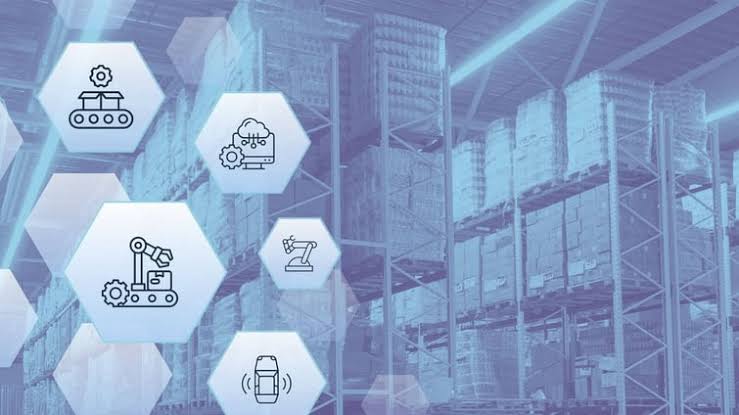
The manufacturing industry is entering a new era driven by digital transformation and Industry 4.0 technologies. In 2026, industrial automation is no longer limited to programmable machines and basic control systems. Manufacturers are increasingly adopting intelligent technologies that enable smart decision-making, real-time monitoring, and autonomous operations. The following trends are shaping the future of manufacturing and driving innovation across industries.
1. Artificial Intelligence (AI) and Machine Learning
Artificial Intelligence is revolutionizing industrial automation by enabling machines to learn from data and make intelligent decisions. AI-powered systems can analyze production data, identify patterns, predict equipment failures, optimize workflows, and improve quality control. Manufacturers are increasingly using AI to automate complex processes and enhance operational efficiency.
2. Industrial Internet of Things (IIoT)
The Industrial Internet of Things continues to play a major role in smart manufacturing. Connected sensors, devices, and machines collect real-time data from production environments and transmit it to centralized platforms for analysis. IIoT enables manufacturers to monitor equipment performance, improve asset utilization, and make data-driven decisions that increase productivity and reduce costs.
3. Smart Factories and Industry 4.0
Smart factories are becoming the standard for modern manufacturing. These facilities combine automation, cloud computing, AI, robotics, and IoT technologies to create highly connected production environments. Smart factories can automatically adjust operations based on real-time data, resulting in greater efficiency, flexibility, and responsiveness to market demands.
4. Machine Vision and AI-Based Quality Inspection
Machine vision systems are increasingly replacing manual inspection processes. Using high-resolution cameras and AI algorithms, these systems can identify defects, monitor production quality, and ensure compliance with manufacturing standards. Industries such as automotive, electronics, pharmaceuticals, and food processing are rapidly adopting machine vision technologies.
5. Digital Twin Technology
Digital twins are virtual replicas of physical assets, machines, or entire manufacturing facilities. Manufacturers use digital twins to simulate operations, test production scenarios, and identify performance improvements before implementing changes in the real world. This technology reduces risks, improves planning, and enhances operational efficiency.
6. Robotics and Collaborative Robots (Cobots)
Industrial robots continue to become more intelligent, flexible, and affordable. Collaborative robots, also known as cobots, are designed to work safely alongside human workers. These robots assist with assembly, packaging, material handling, and inspection tasks, increasing productivity while reducing physical strain on employees.
7. Edge Computing for Faster Decision-Making
As factories generate massive amounts of data, edge computing is becoming increasingly important. Instead of sending all information to cloud servers, edge computing processes data closer to the source. This enables faster response times, reduced latency, and improved operational reliability for critical industrial applications.
8. Advanced Human-Machine Interfaces (HMI)
Modern Human-Machine Interfaces are becoming more intuitive and user-friendly. Touchscreen dashboards, augmented reality displays, and mobile monitoring applications allow operators to interact with industrial systems more effectively. Improved HMIs enhance productivity, reduce training requirements, and simplify operational management.
The Role of Custom Website Development in Industrial Automation Companies
As industrial automation becomes more digital, companies also need strong online platforms.
This is where custom website development plays an important role.
Modern industrial companies require websites that can:
- Showcase automation solutions
- Generate qualified B2B leads
- Display product catalogs
- Support customer portals
- Integrate CRM systems
- Enable project inquiries
- Improve search engine visibility
A professionally developed website helps industrial automation companies build credibility and attract potential customers online.
Future of Industrial Automation in India
India is rapidly emerging as a global manufacturing hub. Government initiatives such as Make in India, Digital India, Smart Cities Mission, and Industry 4.0 adoption are driving significant investments in automation technologies.
Over the next decade, we can expect:
- Increased AI adoption
- More autonomous factories
- Smart industrial parks
- Advanced robotics deployment
- Greater IoT connectivity
- Data-driven manufacturing ecosystems
Research indicates that AI, IoT, cyber-physical systems, and smart industrial infrastructure will play a major role in transforming manufacturing efficiency and competitiveness in India.
Conclusion
The manufacturing landscape in India is changing rapidly, and automation is no longer optional. Businesses that invest in advanced automation technologies will gain a competitive advantage through increased productivity, improved quality, reduced costs, and enhanced operational efficiency.
Among the leading industrial automation companies, Siemens and ABB continue to dominate the market with their global expertise. However, companies like Kotai Electronics Pvt. Ltd. are emerging as strong innovators by combining Artificial Intelligence, IoT, machine vision, radar technology, and smart automation solutions tailored to Indian industries.
Whether you are planning a smart factory, implementing Industrial IoT, deploying AI-powered monitoring systems, or seeking advanced industrial automation services, choosing the right automation partner will be critical to your long-term success in 2026 and beyond.
By embracing automation today, Indian manufacturers can build smarter, safer, and more profitable operations for the future.
FAQS
Why is industrial automation important for manufacturing?
Industrial automation helps manufacturers increase productivity, improve product quality, reduce operational costs, enhance workplace safety, and enable real-time monitoring of production processes.
Which are the top industrial automation companies in India in 2026?
Some of the leading industrial automation companies in India include Siemens, ABB, Kotai Electronics, Schneider Electric, Rockwell Automation, Honeywell, and Mitsubishi Electric.
What industries benefit most from industrial automation?
Industries such as automotive, pharmaceuticals, food processing, oil & gas, logistics, chemicals, mining, smart cities, and electronics manufacturing benefit significantly from industrial automation solutions.