

How an Unmanned Weighbridge System Improves Logistics and Supply Chain Efficiency
Modern logistics and supply chain operations demand speed, accuracy, and transparency. Businesses can no longer rely on slow, manual weighing processes that cause delays, increase labor costs, and create opportunities for human error. Whether it is a manufacturing plant, mining site, cement factory, warehouse, steel plant, logistics hub, or agricultural processing unit, efficient vehicle movement is essential for maintaining productivity.
This is where an Unmanned Weighbridge System becomes a game-changing solution. By combining advanced software, RFID technology, ANPR cameras, sensors, barriers, and automated data management, organizations can automate the complete weighing process without requiring a weighbridge operator.
An unmanned weighbridge not only speeds up truck movement but also improves inventory control, reduces operational costs, enhances security, and ensures accurate data collection. In this article, we’ll explore how weighbridge automation transforms logistics and supply chain management while helping businesses achieve higher efficiency and profitability.
What is an Unmanned Weighbridge System?
An Unmanned Weighbridge System is an intelligent weighing solution that automates vehicle weighing without requiring manual intervention. Instead of depending on operators to record vehicle details, generate weighment slips, and control vehicle movement, the entire process is managed automatically using integrated hardware and software.
The system typically includes RFID readers, Automatic Number Plate Recognition (ANPR) cameras, traffic lights, boom barriers, load cell indicators, sensors, printers, and centralized weighbridge software. Every vehicle entering the premises is identified automatically, weighed accurately, and the transaction is stored digitally in real time.
Unlike traditional weighing methods, an unmanned weighbridge eliminates paperwork, reduces waiting time, and ensures that every transaction is secure, transparent, and traceable. This automation significantly improves logistics efficiency across industries.
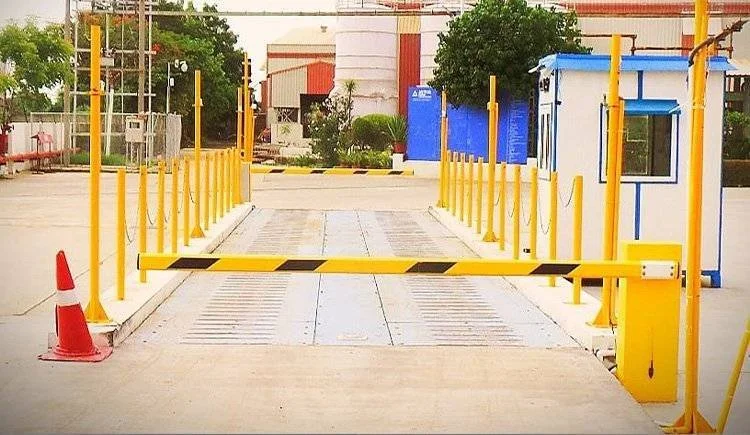
Why Logistics Companies Need Weighbridge Automation
The logistics industry operates on strict delivery schedules where every minute matters. Delays at the weighbridge directly affect transportation costs, warehouse operations, customer satisfaction, and fleet productivity. Manual weighing processes often create bottlenecks because drivers must wait for operators to verify documents, record weights, and print receipts.
With weighbridge automation, vehicles move through the weighing station much faster. Automated identification, instant weight capture, and digital record generation eliminate unnecessary delays while reducing manpower requirements. Companies can process more trucks every day without compromising accuracy.
As logistics networks continue to expand, automation becomes essential for maintaining operational efficiency. Businesses that adopt an Unmanned Weighbridge System gain better visibility into vehicle movement, inventory flow, and shipment tracking, making their supply chain more reliable and cost-effective.
Common Challenges in Manual Weighbridge Operations
Many organizations still rely on manual weighing systems that create several operational problems.
Some common challenges include:
- Long vehicle queues during peak hours
- Human errors in data entry
- Paper-based documentation
- Slow truck turnaround time
- Higher manpower costs
- Increased chances of fraud
- Duplicate or incorrect weighment slips
- Difficulty in tracking historical records
- Limited operational hours
- Lack of integration with ERP systems
These issues affect the entire logistics chain and reduce operational efficiency. An Unmanned Weighbridge System addresses these challenges by automating every stage of the weighing process.
How an Unmanned Weighbridge System Works
The working process of an Unmanned Weighbridge System is simple but highly efficient.
Step 1: Vehicle Identification
As the truck approaches the weighbridge, RFID tags or ANPR cameras automatically identify the vehicle. The system verifies the vehicle details from the database without requiring manual input.
Step 2: Automatic Vehicle Positioning
Sensors detect whether the vehicle is correctly positioned on the weighbridge platform. Traffic lights guide the driver during the weighing process.
Step 3: Accurate Weight Measurement
The weighbridge records the exact vehicle weight using precision load cells. The weight data is transferred directly to the software without human involvement.
Step 4: Data Verification
The software matches the vehicle details with purchase orders, dispatch records, or ERP data before approving the transaction.
Step 5: Automatic Slip Generation
A digital or printed weighment slip is generated automatically. All transaction records are stored securely in the central database.
Step 6: Exit Authorization
After successful verification, the boom barrier opens automatically, allowing the vehicle to exit without delay.
Benefits of an Unmanned Weighbridge System for Logistics
1. Faster Vehicle Turnaround Time
One of the biggest advantages of an Unmanned Weighbridge System is faster vehicle movement. Manual paperwork and operator dependency often create long waiting lines. Automation significantly reduces processing time, allowing trucks to enter, weigh, and exit within minutes.
Shorter turnaround time means more vehicles can be processed daily, improving fleet utilization and increasing business productivity.
2. Improved Supply Chain Visibility
Every transaction is recorded digitally with complete details including vehicle number, weight, driver information, entry time, exit time, images, and transaction history.
This real-time visibility enables managers to monitor logistics operations more effectively, helping them make informed decisions regarding dispatch planning, inventory movement, and transportation schedules.
3. Elimination of Human Errors
Manual data entry often results in incorrect weights, duplicate records, typing mistakes, or missing information.
With an unmanned weighbridge, the software automatically captures weight data and vehicle details, ensuring complete accuracy. This reduces disputes, improves compliance, and enhances customer confidence.
4. Reduced Operational Costs
Labor expenses represent a significant portion of manual weighbridge operations. Organizations often require multiple operators across different shifts to manage continuous vehicle movement.
Implementing weighbridge automation reduces staffing requirements while improving operational efficiency. Businesses save money on salaries, paperwork, printing, and administrative tasks.
5. Enhanced Security and Fraud Prevention
Fraud is one of the biggest concerns in traditional weighing operations. Manual systems can be manipulated through incorrect entries, duplicate weighments, unauthorized vehicle access, or operator involvement.
An Unmanned Weighbridge System minimizes these risks through:
- RFID authentication
- ANPR vehicle verification
- CCTV monitoring
- Sensor-based vehicle detection
- Digital transaction logs
- Automated barrier control
- Image-based evidence
- Role-based software access
These security features improve accountability and reduce revenue loss.
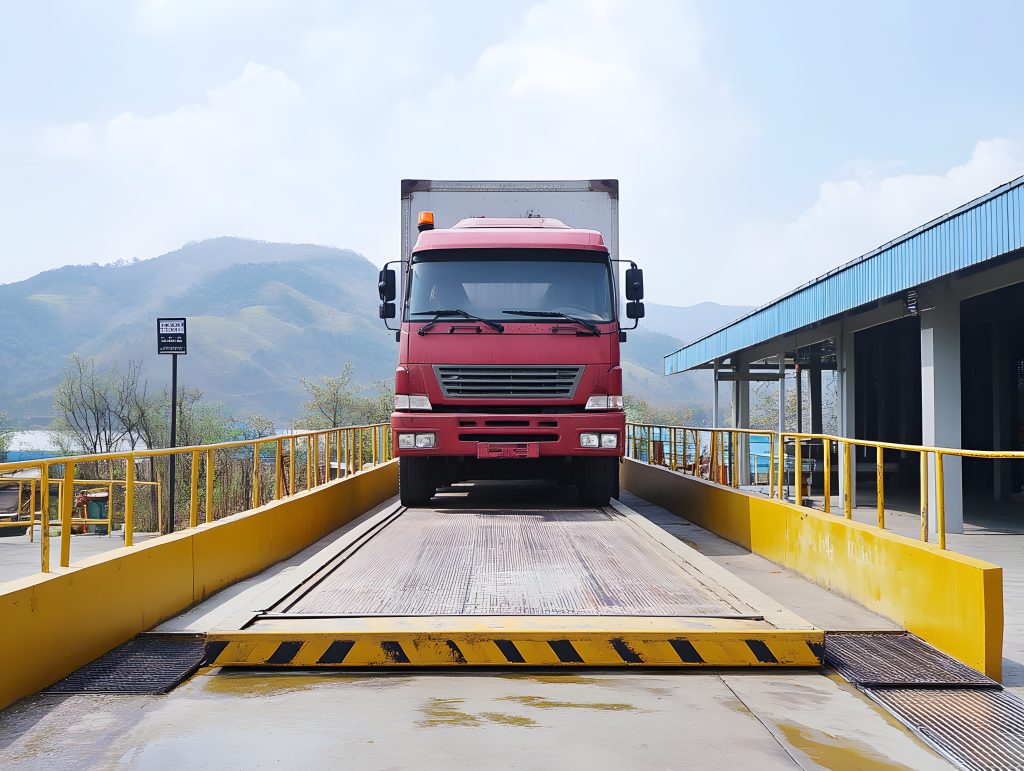
How Weighbridge Automation Improves Supply Chain Efficiency
Supply chain efficiency depends on accurate inventory movement and timely transportation. Every delay at the weighbridge affects production schedules, warehouse operations, and customer deliveries.
An automated weighing system creates a seamless connection between transportation, inventory management, warehouse operations, and ERP software. This integration allows businesses to monitor material movement in real time and optimize logistics planning.
Key improvements include:
- Faster dispatch operations
- Better inventory accuracy
- Reduced loading delays
- Improved warehouse management
- Accurate billing
- Better transportation planning
- Improved customer satisfaction
- Real-time shipment tracking
Industries Benefiting from an Unmanned Weighbridge System
The demand for Unmanned Weighbridge System solutions continues to grow across multiple industries.
Industries include:
- Manufacturing
- Cement Plants
- Steel Industry
- Mining
- Power Plants
- Logistics Companies
- Warehousing
- Food Processing
- Agriculture
- Chemical Industry
- Ports
- Recycling Plants
- Construction Materials
- FMCG Distribution
- Paper Mills
Every industry handling bulk transportation can benefit from weighbridge automation.
Key Features of Modern Unmanned Weighbridge Systems
Modern solutions offer advanced automation technologies that improve overall efficiency.
Important features include:
- RFID Vehicle Identification
- Automatic Number Plate Recognition (ANPR)
- High Accuracy Load Cells
- Boom Barrier Integration
- Traffic Light Control
- Voice Guidance System
- Touchscreen Driver Interface
- Centralized Database
- ERP Integration
- SAP Integration
- Cloud Reporting
- SMS & Email Notifications
- Mobile Monitoring
- CCTV Surveillance
- Automatic Slip Printing
- Digital Signature Support
- Multi-Weighbridge Management
- Real-Time Dashboard
- Audit Logs
- Remote Monitoring
These features make an Unmanned Weighbridge System suitable for large industrial operations.
Integration with ERP and Business Software
One major advantage of weighbridge automation is its ability to integrate with existing business software.
Integration options include:
- SAP
- Oracle ERP
- Microsoft Dynamics
- Tally
- Warehouse Management Systems
- Inventory Management Software
- Fleet Management Software
- Logistics Software
- Billing Systems
- SCM Platforms
Real-time synchronization eliminates duplicate data entry while improving operational accuracy.
Environmental Benefits
An Unmanned Weighbridge System also contributes to environmental sustainability.
Reduced paperwork means less paper consumption, while faster vehicle movement lowers fuel consumption caused by long waiting queues. Shorter idle times also reduce carbon emissions, supporting environmentally responsible logistics operations.
Environmental advantages include:
- Lower fuel consumption
- Reduced CO₂ emissions
- Paperless operations
- Lower electricity usage
- Efficient vehicle movement
- Sustainable logistics practices
Why Real-Time Data Matters in Logistics
Modern supply chains rely heavily on real-time information. Delayed data often results in poor planning, missed deliveries, inventory shortages, and higher operational costs.
An unmanned weighbridge continuously captures accurate transaction data, allowing managers to monitor operations from anywhere. Instant access to reports helps identify bottlenecks, optimize vehicle scheduling, and improve customer service.
Real-time dashboards also assist management in analyzing truck turnaround time, weighing frequency, daily vehicle counts, material movement, and operational performance.
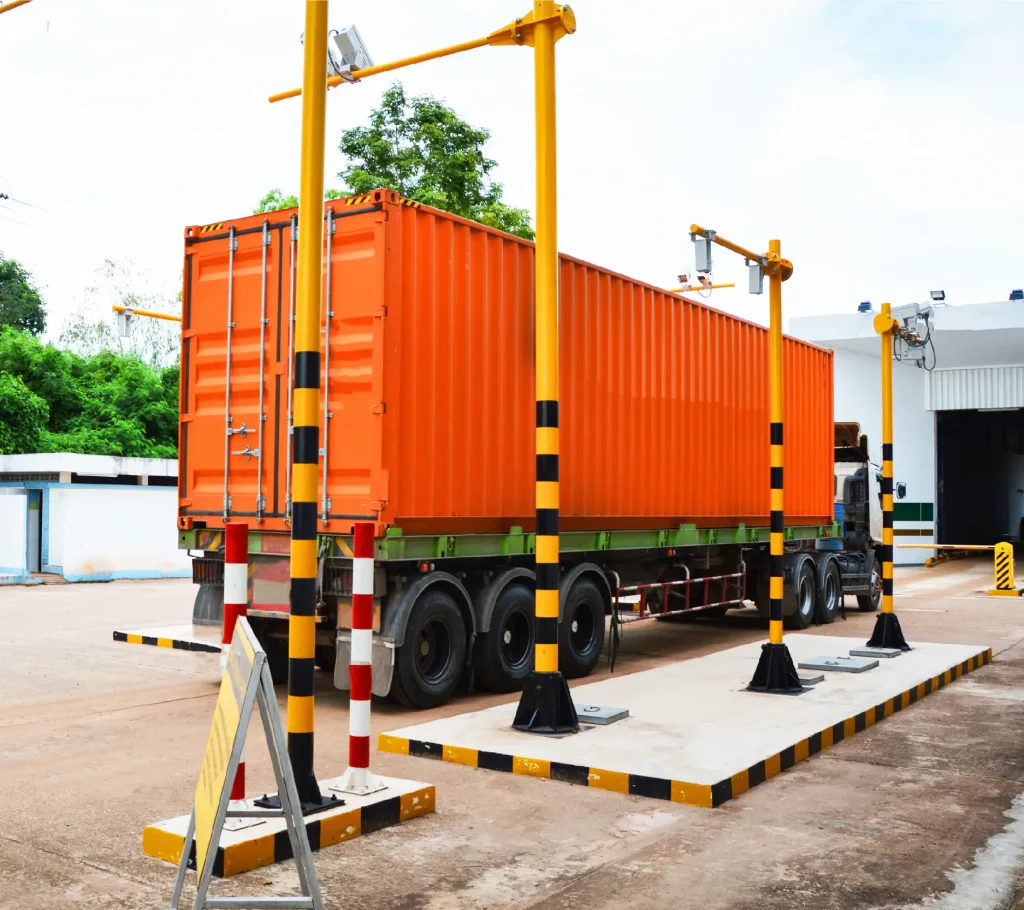
ROI of Implementing an Unmanned Weighbridge System
Although implementing an Unmanned Weighbridge System requires an initial investment, the long-term savings are substantial.
Businesses achieve ROI through:
- Lower labor costs
- Reduced fraud
- Increased weighing capacity
- Faster dispatch
- Improved inventory accuracy
- Lower maintenance costs
- Better compliance
- Increased customer satisfaction
Most organizations recover their investment within a short period due to significant improvements in operational efficiency.
Best Practices for Successful Weighbridge Automation
To maximize the benefits of weighbridge automation, organizations should follow industry best practices.
Recommended practices:
- Select a reliable automation provider.
- Use high-quality RFID and ANPR systems.
- Integrate with ERP software.
- Train drivers and staff.
- Schedule regular calibration.
- Perform preventive maintenance.
- Enable cloud backup.
- Monitor system performance regularly.
- Maintain cybersecurity standards.
- Review operational reports frequently.
These practices ensure long-term reliability and maximum return on investment.
Future of Unmanned Weighbridge Systems
The future of logistics is becoming increasingly digital, and Unmanned Weighbridge System technology is evolving rapidly. Artificial Intelligence (AI), Internet of Things (IoT), cloud computing, predictive analytics, and machine learning are making weighbridge operations smarter than ever before.
Future systems will automatically predict maintenance requirements, detect abnormal vehicle behavior, optimize traffic flow, and provide advanced business intelligence through AI-powered analytics.
As industries move toward Industry 4.0 and smart manufacturing, unmanned weighbridge solutions will become an essential part of digital supply chains.
Conclusion
An Unmanned Weighbridge System is no longer just a weighing solution—it is a complete logistics automation platform that improves speed, accuracy, transparency, and operational efficiency. By eliminating manual intervention, reducing vehicle waiting time, preventing fraud, and integrating seamlessly with business software, organizations can transform their logistics operations and build a more efficient supply chain.
Whether you operate a manufacturing plant, mining company, logistics hub, warehouse, cement factory, or industrial facility, investing in weighbridge automation helps increase productivity while reducing costs and improving customer satisfaction. As supply chains continue to evolve, adopting an intelligent Unmanned Weighbridge System is one of the smartest investments businesses can make to remain competitive in today’s fast-paced industrial environment.