

7 Ways a Weighbridge Automation System Prevents Weighing Fraud
Table of Contents
Introduction
In industries such as mining, steel, cement, logistics, power plants, and manufacturing, accurate weight measurement is very important. Every day, hundreds of trucks enter and leave industrial sites carrying raw materials and finished goods. Even a small mistake in weight measurement can result in major financial losses over time.
Unfortunately, weighing fraud is still a common problem in many industries that use manual or partially automated weighing processes. Fraud can happen through weight manipulation, unauthorized vehicle entries, false records, driver substitution, or manual data editing. These issues not only cause revenue loss but also create inventory mismatches and operational challenges.
This is where a Weighbridge Automation System becomes important. By combining technologies such as vehicle identification, cameras, biometric verification, automated data capture, and software integration, a modern weighbridge solution can significantly reduce the chances of fraud.
In this article, we will explore seven important ways a Weighbridge Automation System helps industries prevent weighing fraud and improve operational transparency.
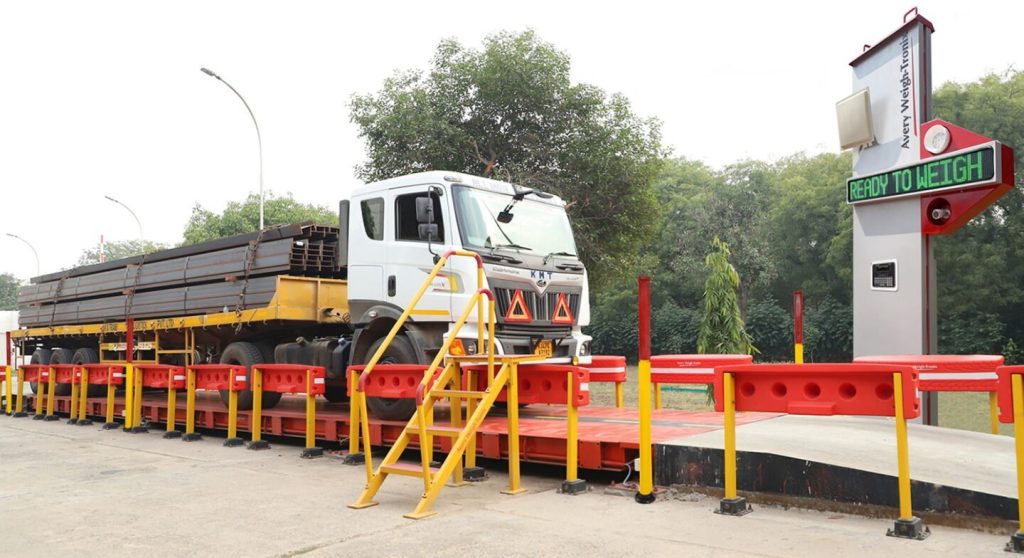
What Is a Weighbridge Automation System?
A Weighbridge Automation System is a technology-driven solution that automates the complete weighing process. Instead of depending on manual operators, the system automatically identifies vehicles, captures weight data, verifies drivers, records images, and stores transaction details.
A modern weighbridge system may include:
- RFID or FASTag vehicle identification
- ANPR (Automatic Number Plate Recognition)
- Biometric driver verification
- CCTV and load monitoring cameras
- Automated barriers and traffic control
- ERP integration
- Advanced weighbridge software
- Real-time reporting and audit trails
The main objective is to make the weighing process faster, more accurate, and more secure.
Why Weighing Fraud Happens in Traditional Weighbridge Operations
Many traditional weighbridges still depend heavily on manual processes. This creates opportunities for fraud and human errors.
Some common reasons include:
- Manual vehicle verification
- Dependence on operators
- Paper-based records
- Delayed data synchronization
- Lack of visual proof
- No driver authentication
- Poor monitoring during night shifts
When these gaps exist, unauthorized activities can go unnoticed for a long time. An automated weighbridge helps close these gaps by applying the same verification process to every transaction.
1. Automated Vehicle Identification Eliminates Unauthorized Entries
One of the biggest causes of weighing fraud is vehicle identity manipulation. In manual systems, operators often verify vehicles using physical documents or visual inspection. This process can be slow and prone to mistakes. A modern Weighbridge Automation System uses technologies such as FASTag, RFID, and ANPR cameras to identify vehicles automatically.
The system compares:
- Vehicle registration details
- FASTag information
- Number plate data
Only authorized vehicles are allowed to proceed. This automated verification reduces risks such as:
- Vehicle swapping
- Duplicate entries
- Unauthorized truck movements
- False transaction creation
By verifying vehicle identity automatically, the weighbridge system ensures that only approved vehicles participate in weighing operations.
2. Zero-Weight Validation Prevents Tare Weight Manipulation
Tare weight manipulation is one of the most common forms of weighing fraud.
Before a vehicle enters the weighbridge platform, the weighing scale should display zero weight. If there is any residual weight on the platform, the final reading can become inaccurate. A modern Weighbridge Automation System automatically checks whether the platform is at zero before each transaction begins. If the system detects any abnormal reading, it can stop the transaction until the issue is resolved.
This prevents situations where:
- Objects are intentionally left on the platform
- Previous loads affect new readings
- Incorrect tare weights are recorded
Automated zero-weight validation improves weighing accuracy and reduces opportunities for fraud.
3. Biometric Driver Authentication Stops Identity Fraud
Vehicle verification alone is not enough. In many cases, the truck may be authorized, but the driver may not be. Driver substitution can create serious security and fraud risks. Modern Weighbridge Automation Systems use biometric verification methods such as:
- Face recognition
- Fingerprint verification
- Aadhaar-based authentication
The driver’s identity is verified before the weighing process starts.
This helps prevent:
- Unauthorized drivers
- Fake identities
- Borrowed ID cards
- Blacklisted operators entering the facility
Since biometric information is unique to each individual, it becomes much harder for fraudsters to bypass the verification process.
4. Camera-Based Load Verification Creates Visual Evidence
Weight data alone does not provide complete proof of what was loaded on the vehicle. A truck may carry a different material than what is declared in the records. To solve this problem, modern automated weighbridge solutions use camera systems that capture images during every transaction.
These cameras can provide:
- Top-view load images
- Front vehicle images
- Side vehicle images
- Timestamped records
The images become permanent evidence linked to the transaction.
This helps detect:
- Material substitution
- Under-loading
- Over-loading
- Disputed deliveries
When visual proof is available, fraud investigations become much easier. The combination of cameras and weighbridge software creates a more transparent weighing environment.
5. Automated Weighment Rules Reduce Human Interference
Human intervention is one of the biggest reasons for weighing irregularities.
Manual operations often depend on:
- Operator decisions
- Visual judgment
- Manual approvals
- Paper records
Different operators may follow different procedures.
A Weighbridge Automation System follows predefined rules for every transaction.
For example:
- Vehicle position must be correct
- Weight capture starts only after vehicle stability is confirmed
- Verification checks must be completed
- Required images must be captured
The system applies the same rules to every vehicle.
This reduces:
- Human errors
- Intentional manipulation
- Operator favoritism
- Process inconsistency
By minimizing manual intervention, an automated weighbridge creates a more secure weighing process.
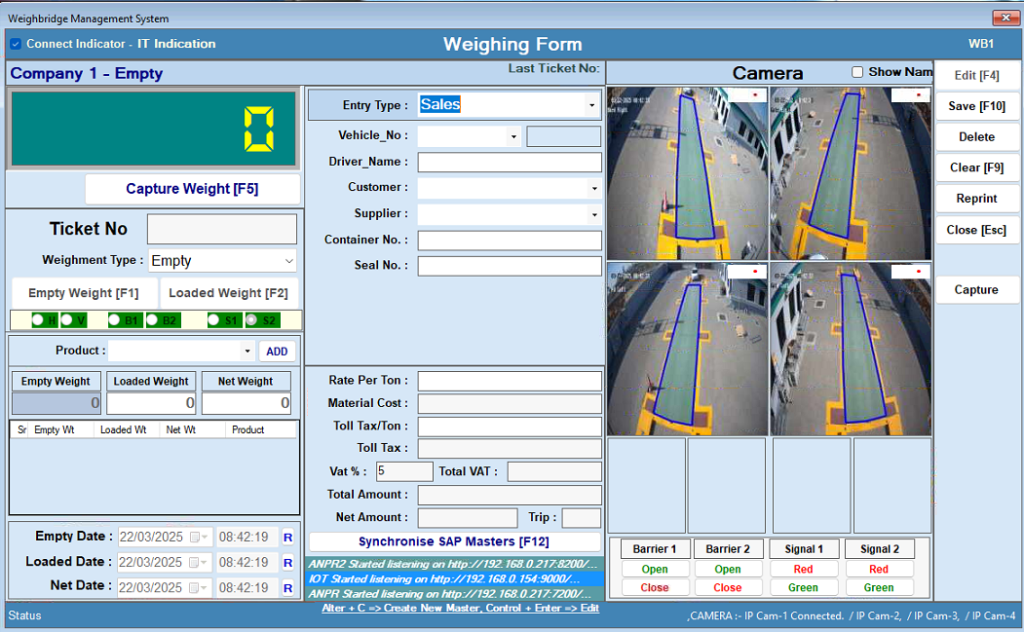
6. Real-Time Weighbridge Software Integration Prevents Data Editing
Data manipulation after weighment is another major fraud risk. In some traditional setups, weight records are transferred to ERP systems hours later or even at the end of the day. This delay creates an opportunity for records to be modified before they are officially stored. Modern weighbridge software solves this issue through real-time integration.
As soon as a transaction is completed, the system can automatically send data to:
- ERP platforms
- Inventory management systems
- Billing software
- Logistics platforms
This includes:
- Weight data
- Vehicle details
- Driver information
- Images
- Time stamps
Since records are synchronized immediately, the possibility of post-transaction editing becomes significantly lower. Real-time data integration increases accountability and transparency across operations.
7. Digital Audit Trails Make Fraud Easy to Detect
One of the strongest advantages of a Weighbridge Automation System is the creation of a complete digital audit trail.
Every transaction generates detailed records that can include:
- Vehicle identification
- Driver authentication
- Weight readings
- Camera images
- Date and time information
- System actions
- ERP synchronization logs
If any dispute occurs, management can quickly review the entire transaction history.
Digital audit trails help identify:
- Suspicious activities
- Repeated irregularities
- Unusual vehicle patterns
- Potential fraud attempts
This level of traceability is difficult to achieve in manual systems. The audit trail acts as a powerful fraud prevention and investigation tool.
Additional Benefits of an Automated Weighbridge
While fraud prevention is one of the biggest advantages of a modern automated weighbridge, it is not the only benefit. Industries today are under constant pressure to improve efficiency, reduce operational costs, maintain accurate records, and increase productivity. A well-designed Weighbridge Automation System helps businesses achieve all these goals while creating a faster and more transparent weighing process.
Faster Vehicle Processing and Reduced Waiting Time
In many industrial facilities, trucks spend a significant amount of time waiting for their turn at the weighbridge. Manual verification, paperwork, and operator approvals often create long queues, especially during peak hours.
An automated system speeds up the entire process by automatically identifying vehicles, capturing weight data, and generating digital records. Since most tasks are completed without human intervention, trucks can move through the weighbridge much faster.
This results in:
- Reduced truck waiting time
- Faster loading and unloading operations
- Better vehicle movement inside the plant
- Improved overall logistics efficiency
When vehicles spend less time waiting, businesses can handle more truck movements every day without increasing manpower.
Improved Accuracy in Weight Measurement
Accuracy is one of the most important requirements in any weighing operation. Even small errors can create inventory mismatches and financial losses over time.
A modern weighbridge system uses automated processes to reduce manual mistakes. Vehicle identification, weight capture, and data recording happen automatically, minimizing the chances of incorrect entries.
Accurate weight measurement helps companies:
- Maintain correct inventory records
- Improve material tracking
- Reduce billing disputes
- Increase customer trust
When weight records are reliable, decision-making becomes easier and more effective.
Better Inventory Management
Industries such as cement, steel, mining, logistics, and manufacturing depend heavily on accurate inventory data. If weighment records are inaccurate, inventory reports will also become inaccurate. This can lead to material shortages, overstocking, and planning issues.
A modern Weighbridge Automation System automatically records every incoming and outgoing material movement. The information is stored digitally and can be connected with inventory management software.
This provides:
- Real-time stock visibility
- Better material tracking
- Improved inventory planning
- Reduced chances of stock discrepancies
As a result, businesses gain better control over their operations and supply chain.
Reduced Dependence on Manual Operations
Traditional weighbridge operations require operators to verify vehicles, record data, issue slips, and manage reports manually. These tasks not only take time but also increase the possibility of human errors. An automated weighbridge reduces the need for manual intervention by automating most routine tasks.
Benefits include:
- Lower manpower requirements
- Reduced operational workload
- Consistent process execution
- Less dependency on individual operators
This helps organizations improve productivity while reducing operational expenses.
Real-Time Data Availability
One of the major benefits of modern weighbridge software is instant access to operational data. Management teams no longer need to wait for end-of-day reports or manually compiled spreadsheets. All transaction information becomes available in real time.
This allows businesses to monitor:
- Vehicle movements
- Material inflow and outflow
- Daily transaction volume
- Operational performance
Real-time visibility enables faster decision-making and better control over plant activities.
Easy Integration with ERP and Business Systems
Most industries already use ERP platforms for managing inventory, billing, procurement, and logistics operations. A modern weighbridge software solution can integrate directly with these systems. Once a weighment is completed, the data is automatically transferred to the connected platform.
This eliminates duplicate data entry and provides:
- Faster transaction processing
- Better record accuracy
- Reduced paperwork
- Improved department coordination
Integration also ensures that all business systems work with the same accurate data.
Enhanced Security and Transparency
Security is becoming increasingly important in industrial operations. Manual processes often make it difficult to track every activity accurately. A Weighbridge Automation System creates complete digital records for every transaction, including vehicle details, weight information, images, timestamps, and user activity.
This improves:
- Operational transparency
- Accountability
- Compliance management
- Fraud investigation capabilities
Management can quickly review transaction history whenever required.
Better Reporting and Business Insights
Modern weighbridge software provides powerful reporting tools that help management analyze operations more effectively.
Reports can be generated based on:
- Vehicle activity
- Material movement
- Daily weighments
- Supplier transactions
- Customer deliveries
These insights help businesses identify bottlenecks, improve planning, and optimize resource utilization.
Improved Customer and Vendor Experience
Fast and efficient weighing operations create a better experience for transporters, vendors, and customers. When trucks are processed quickly and accurately, drivers spend less time waiting, and deliveries become more predictable.
This leads to:
- Improved customer satisfaction
- Better transporter relationships
- Reduced operational delays
- Higher service quality
A smooth weighing process reflects positively on the entire organization.
How to Choose the Right Weighbridge Automation System
When selecting a solution, look for the following features:
- FASTag or RFID integration
- ANPR camera support
- Biometric authentication
- Camera-based monitoring
- Real-time ERP integration
- Comprehensive reporting
- Digital audit trails
- User-friendly dashboard
- Scalability for future growth
The right weighbridge system should not only improve efficiency but also provide strong fraud prevention capabilities.
Conclusion
Weighing fraud can quietly cause significant financial losses in industrial operations. Small inaccuracies, unauthorized activities, and manual data manipulation can accumulate into major problems over time.
A modern Weighbridge Automation System helps eliminate these risks through automated vehicle identification, biometric verification, zero-weight validation, camera monitoring, rule-based automation, real-time weighbridge software integration, and digital audit trails.
By implementing an automated weighbridge, organizations can improve accuracy, increase transparency, strengthen security, and build a more reliable weighing operation.
As industries continue to focus on efficiency and accountability, investing in a smart weighbridge system is becoming a necessity rather than an option.
1. What is a Weighbridge Automation System?
A Weighbridge Automation System is a technology-based solution that automates vehicle identification, weighing, data capture, and reporting processes to improve accuracy and reduce fraud.
2. How does weighbridge software help prevent fraud?
Weighbridge software stores transaction data automatically, creates audit trails, integrates with ERP systems, and reduces opportunities for manual record manipulation.
3. What is the benefit of an automated weighbridge?
An automated weighbridge improves speed, accuracy, transparency, and security while reducing manual work and fraud risks.
4. Which industries benefit from weighbridge automation?
Industries such as mining, cement, steel, logistics, ports, power plants, manufacturing, and construction can benefit from weighbridge automation solutions.