

Best Weighbridge Automation System in India: Features, Pricing & Deployment Guide
Introduction
The logistics, manufacturing, mining, agriculture, cement, steel, and transportation industries heavily depend on accurate vehicle weighing for operational efficiency and regulatory compliance. Traditional weighbridge operations often involve manual data entry, paperwork, and human intervention, which can lead to errors, delays, revenue leakage, and fraud.
This is where a Weighbridge Automation System in India becomes a game-changing solution. By integrating advanced technologies such as RFID, ANPR cameras, IoT sensors, ERP integration, and cloud-based monitoring, businesses can automate their entire weighing process while improving accuracy, speed, and security.
As industries continue to embrace digital transformation, the demand for weighbridge automation has grown significantly. Modern businesses are looking beyond simple weighing equipment and investing in complete automation solutions that provide real-time data, enhanced operational control, and seamless reporting.
In this comprehensive guide, we’ll explore the features, pricing, benefits, deployment process, and key considerations when selecting the best Weighbridge Automation System in India.
What is a Weighbridge Automation System?
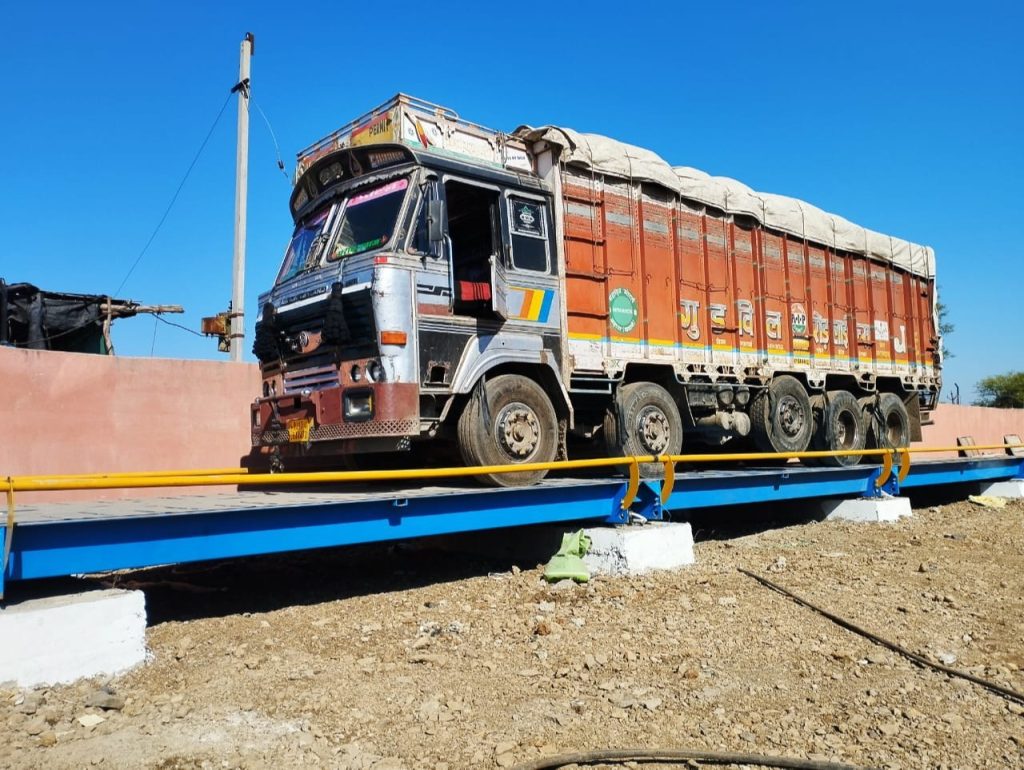
A weighbridge automation system is a technology-driven solution that automates the vehicle weighing process by reducing or eliminating manual intervention. The system combines hardware and software components to capture vehicle data, monitor weight measurements, generate reports, and integrate with business management systems.
The primary goal of weighbridge automation is to:
- Improve weighing accuracy
- Eliminate human errors
- Prevent fraud and manipulation
- Increase operational efficiency
- Generate real-time reports
- Enable centralized monitoring
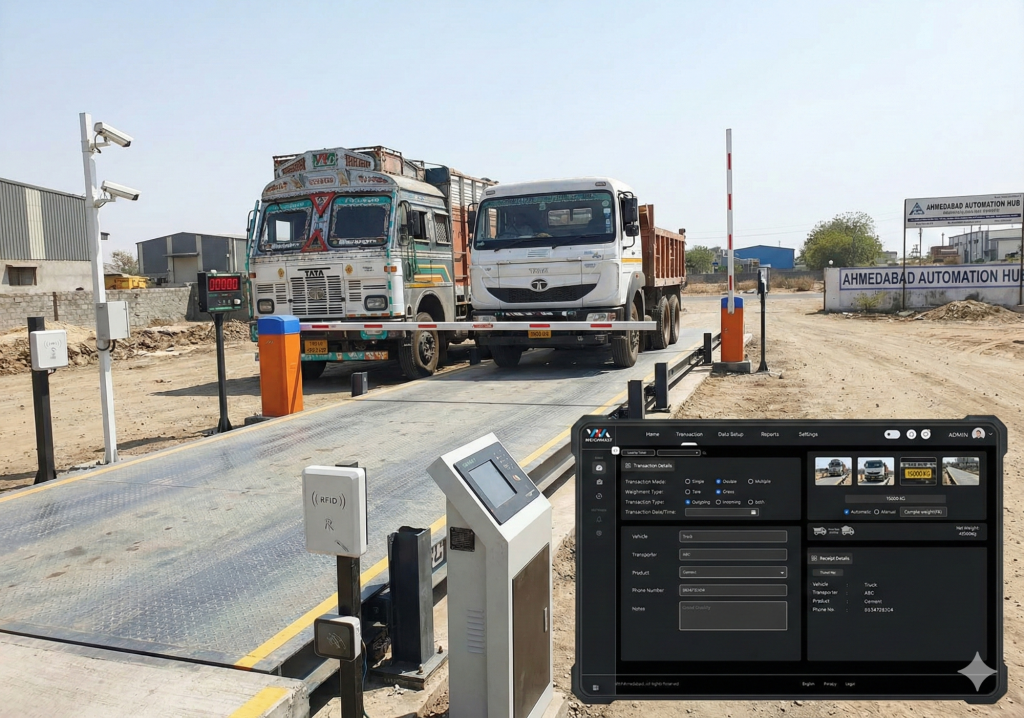
A typical automated weighbridge setup includes:
- Digital weighbridge
- RFID readers
- Automatic barriers
- ANPR (Automatic Number Plate Recognition) cameras
- Traffic signal systems
- Weighbridge software
- ERP integration modules
- Cloud dashboard
Many leading weighbridge manufacturers now offer automation-ready weighbridges that can be integrated with advanced software solutions for end-to-end process automation.
Why Businesses Need Weighbridge Automation in India
With the rapid growth of India’s manufacturing, mining, logistics, agriculture, infrastructure, and transportation sectors, businesses are under constant pressure to improve efficiency, reduce operational costs, and maintain compliance with industry regulations. Traditional weighbridge operations that rely heavily on manual processes often struggle to meet these modern business demands.
Manual weighing systems can result in long vehicle queues, inaccurate weight records, data entry mistakes, and delays in dispatch or receiving operations. In industries where hundreds of vehicles enter and exit facilities every day, even minor inefficiencies can lead to significant financial losses and operational bottlenecks.
A modern Weighbridge Automation System in India helps organizations overcome these challenges by automating the entire weighing process. Technologies such as RFID-based vehicle identification, ANPR cameras, automatic boom barriers, traffic management systems, and cloud-based software work together to create a seamless and transparent workflow.
Businesses also face increasing concerns related to fraud, unauthorized vehicle access, duplicate weighments, and manipulation of weight records. Weighbridge automation significantly reduces these risks by ensuring that every transaction is digitally recorded and monitored in real time.
Additionally, as companies embrace Industry 4.0 and digital transformation initiatives, integrating weighbridge operations with ERP, inventory management, and logistics systems has become essential. Automated weighbridge solutions provide accurate data that can be shared across departments, helping businesses make faster and more informed decisions.
Common Challenges Solved by Weighbridge Automation
- Manual data entry errors
- Revenue leakage due to inaccurate records
- Vehicle congestion and delays
- Limited visibility into operations
- Difficulty maintaining audit trails
- Increased labor dependency
- Security and compliance concerns
By implementing a robust Weighbridge Automation System in India, businesses can streamline operations, improve transparency, and gain a competitive advantage in today’s fast-paced industrial environment.
Key Features of the Best Weighbridge Automation System in India
When evaluating automation solutions, businesses should look for the following essential features.
RFID-Based Vehicle Identification
RFID technology automatically identifies registered vehicles as they approach the weighbridge.
Benefits include:
- Faster vehicle processing
- Reduced operator dependency
- Improved security
- Accurate vehicle tracking
RFID integration is one of the most widely adopted features in modern weighbridge automation systems.
Automatic Number Plate Recognition (ANPR)
ANPR cameras capture vehicle registration numbers automatically.
Advantages include:
- Vehicle authentication
- Fraud prevention
- Automated record creation
- Enhanced security monitoring
ANPR significantly improves operational efficiency and reduces manual verification efforts.
Automatic Boom Barrier Integration
Boom barriers automatically control vehicle movement based on authorization and weighing status.
Benefits include:
- Controlled vehicle flow
- Reduced congestion
- Enhanced site security
- Improved operational discipline
Traffic Light Management System
Traffic signals guide drivers throughout the weighing process.
Key advantages:
- Safer operations
- Reduced confusion
- Faster vehicle movement
- Improved compliance
Weighbridge Software Dashboard
Advanced software acts as the central control system for the entire operation.
Features typically include:
- Real-time monitoring
- Transaction management
- Weight capture
- Vehicle database
- User management
- Reporting tools
The software becomes the backbone of any successful Weighbridge Automation System in India.
ERP Integration
Modern businesses require seamless integration with enterprise systems.
Popular integrations include:
- SAP
- Oracle
- Microsoft Dynamics
- Tally ERP
- Custom ERP solutions
ERP integration enables:
- Automated invoicing
- Inventory updates
- Dispatch management
- Financial reporting
Cloud-Based Monitoring
Cloud technology allows businesses to monitor operations remotely.
Benefits include:
- Multi-location visibility
- Remote access
- Data backup
- Centralized reporting
Organizations operating multiple facilities particularly benefit from cloud-enabled weighbridge automation.
Real-Time Reporting and Analytics
Advanced analytics provide valuable business insights.
Reports may include:
- Vehicle movement reports
- Weight transaction reports
- Material movement reports
- Daily and monthly summaries
- Audit logs
Data-driven decision-making becomes easier with real-time analytics.
Benefits of Implementing Weighbridge Automation
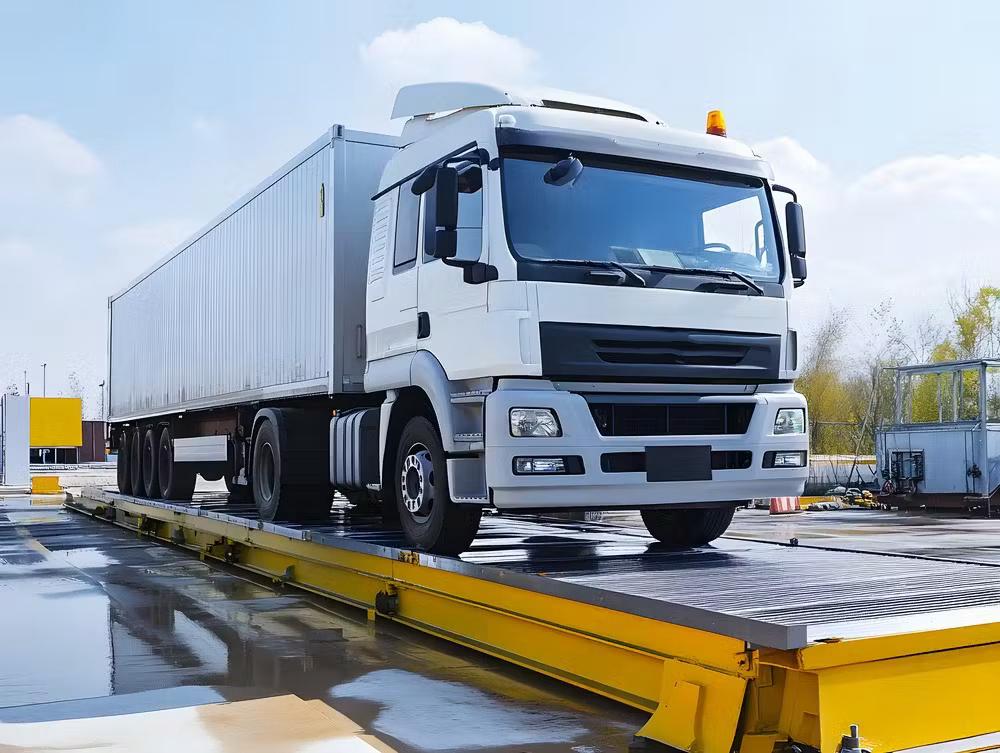
Investing in weighbridge automation offers much more than simply digitizing the weighing process. It creates a smarter, more efficient operational ecosystem that improves productivity, accuracy, and profitability across the organization.
The adoption of weighbridge automation delivers measurable operational and financial benefits.
Improved Accuracy and Reliability
Automated systems eliminate manual intervention during weight capture and record generation, reducing the possibility of human errors. Accurate weight measurements ensure fair transactions, better inventory control, and improved customer trust.
Faster Vehicle Processing
Automated identification and data capture significantly reduce the time required to process each vehicle. Faster weighing cycles minimize waiting times, improve traffic flow, and increase the overall throughput of the facility.
Reduced Fraud and Manipulation
Fraudulent activities such as duplicate entries, unauthorized vehicle access, weight tampering, and manual record manipulation can result in substantial financial losses. Features like RFID, ANPR cameras, digital logs, and automated barriers help eliminate these risks.
Enhanced Security
Modern weighbridge automation systems provide multiple layers of security by controlling vehicle movement, validating vehicle information, and maintaining detailed audit records. This ensures that only authorized vehicles and personnel can access the facility.
Real-Time Monitoring and Reporting
Managers can monitor weighbridge operations from a centralized dashboard and access real-time reports on vehicle movements, material transactions, and operational performance. This improves decision-making and operational visibility.
Better Compliance and Audit Readiness
Industries such as mining, cement, steel, logistics, and manufacturing often require detailed records for regulatory compliance. Automated systems generate accurate digital records that simplify audits and reporting requirements.
Lower Operational Costs
Although automation requires an initial investment, businesses often achieve long-term savings through reduced manpower requirements, improved efficiency, minimized errors, and lower revenue leakage.
Seamless ERP and Software Integration
Integration with ERP systems enables automatic synchronization of weight data with inventory, billing, procurement, and logistics processes. This eliminates duplicate data entry and improves workflow efficiency.
Scalability for Future Growth
As businesses expand, automated systems can easily accommodate additional weighbridges, locations, users, and integrations without major infrastructure changes.
Overall, implementing a Weighbridge Automation System in India helps organizations improve productivity, strengthen operational control, and maximize return on investment.
Industries Using Weighbridge Automation System in India
The demand for automated weighing solutions spans multiple industries.
Mining Industry
Mining operations require precise measurement of raw material movement.
Automation helps:
- Track mineral dispatches
- Prevent theft
- Improve logistics efficiency
Cement Industry
Cement manufacturers use automated weighbridges to streamline dispatch operations.
Benefits include:
- Faster loading cycles
- Reduced paperwork
- Accurate shipment tracking
Steel Industry
Steel plants process large volumes of inbound and outbound materials daily.
Automation ensures:
- Accurate inventory control
- Faster gate operations
- Improved reporting
Logistics and Transportation
Transport companies rely on weighbridge automation for:
- Fleet management
- Weight compliance
- Operational visibility
Agriculture Sector
Agricultural warehouses and procurement centers use weighbridge automation for:
- Grain procurement
- Inventory management
- Supply chain transparency
Pricing of Weighbridge Automation System in India
Pricing depends on several factors including system complexity, hardware components, software capabilities, and integration requirements.
Basic Automation Package
Approximate Price Range:
₹2 Lakhs to ₹5 Lakhs
Typically includes:
- Basic software
- Digital weight capture
- Reporting module
Suitable for small businesses.
Mid-Level Automation Package
Approximate Price Range:
₹5 Lakhs to ₹12 Lakhs
Includes:
- RFID integration
- Boom barriers
- Advanced reporting
- ERP connectivity
Ideal for medium-sized industrial facilities.
Advanced Enterprise Automation Package
Approximate Price Range:
₹12 Lakhs to ₹30 Lakhs+
Includes:
- ANPR cameras
- Cloud monitoring
- Multi-location management
- ERP integration
- Advanced analytics
Best suited for large enterprises with high vehicle traffic.
Factors Affecting Weighbridge Automation Cost
The cost of implementing a Weighbridge Automation System in India varies depending on the scope of the project, required technologies, level of automation, and customization needs. Understanding these factors helps businesses plan their budgets more effectively and choose the right solution for their operations.
Number of Weighbridges
Facilities with multiple weighbridges typically require additional hardware, software licenses, network infrastructure, and monitoring systems. Larger deployments generally involve higher implementation costs.
Type of Automation Required
Basic automation solutions focusing only on weight capture and reporting are more affordable than fully automated systems incorporating RFID, ANPR, boom barriers, traffic lights, and ERP integration.
RFID Infrastructure
The cost of RFID readers, antennas, controllers, and vehicle tags can significantly influence the overall project budget. The larger the vehicle fleet, the greater the RFID investment required.
ANPR and Surveillance Cameras
Advanced camera systems for number plate recognition and surveillance improve security and operational transparency but add to the project’s capital expenditure.
Software Features and Licensing
Pricing can vary depending on software capabilities such as cloud access, analytics dashboards, mobile applications, multi-site monitoring, user management, and custom reporting.
ERP and Third-Party Integration
Integrating the weighbridge system with ERP platforms such as SAP, Oracle, Microsoft Dynamics, or Tally often requires additional configuration, development, and testing efforts.
Cloud Hosting and Data Storage
Organizations opting for cloud-based solutions may incur recurring subscription costs for hosting, data storage, backups, and remote access services.
Customization Requirements
Every industry has unique workflows. Custom business logic, specialized reports, workflow automation, and industry-specific features can increase implementation costs.
Installation and Site Conditions
Factors such as site layout, cable routing, networking requirements, power infrastructure, and environmental conditions can impact deployment expenses.
Training and Support Services
Comprehensive user training, annual maintenance contracts, software updates, and technical support services should also be considered when evaluating the total cost of ownership.
Businesses should focus not only on initial pricing but also on long-term operational savings and productivity improvements when selecting a weighbridge automation solution.
Deployment Guide for Weighbridge Automation
Successful implementation requires careful planning and execution.
Step 1: Site Assessment
Evaluate:
- Traffic volume
- Existing infrastructure
- Operational challenges
- Security requirements
A detailed assessment helps identify the most suitable automation architecture.
Step 2: Requirement Analysis
Define:
- Business objectives
- Compliance requirements
- Integration needs
- Reporting expectations
This phase ensures alignment between operational goals and system design.
Step 3: Hardware Installation
Install required equipment such as:
- RFID readers
- Cameras
- Barriers
- Sensors
- Traffic signals
Proper installation is critical for reliable performance.
Step 4: Software Configuration
Configure:
- User roles
- Vehicle databases
- Material categories
- Workflow rules
- Reporting templates
Step 5: ERP Integration
Connect the weighbridge software with existing enterprise systems.
Benefits include:
- Automated transactions
- Inventory synchronization
- Financial integration
Step 6: Testing and Validation
Perform:
- Functional testing
- Load testing
- Security testing
- User acceptance testing
Thorough testing minimizes deployment risks.
Step 7: Training and Go-Live
Train operators, supervisors, and administrators.
Ensure teams understand:
- Daily operations
- Reporting procedures
- Troubleshooting processes
A structured training program improves user adoption.
How to Choose the Right Weighbridge Company in India
Selecting the right implementation partner is critical for long-term success.
When evaluating a weighbridge company in india, consider the following:
Industry Experience
Choose providers with proven experience across multiple industries.
Technology Capabilities
Look for advanced features such as:
- RFID
- ANPR
- Cloud connectivity
- ERP integration
Support Services
Reliable after-sales support ensures uninterrupted operations.
Scalability
The solution should support future expansion and additional sites.
Customization
Every business has unique workflows. Choose a vendor capable of customization.
Compliance Standards
Ensure the provider follows relevant industry and regulatory standards.
Future Trends in Weighbridge Automation
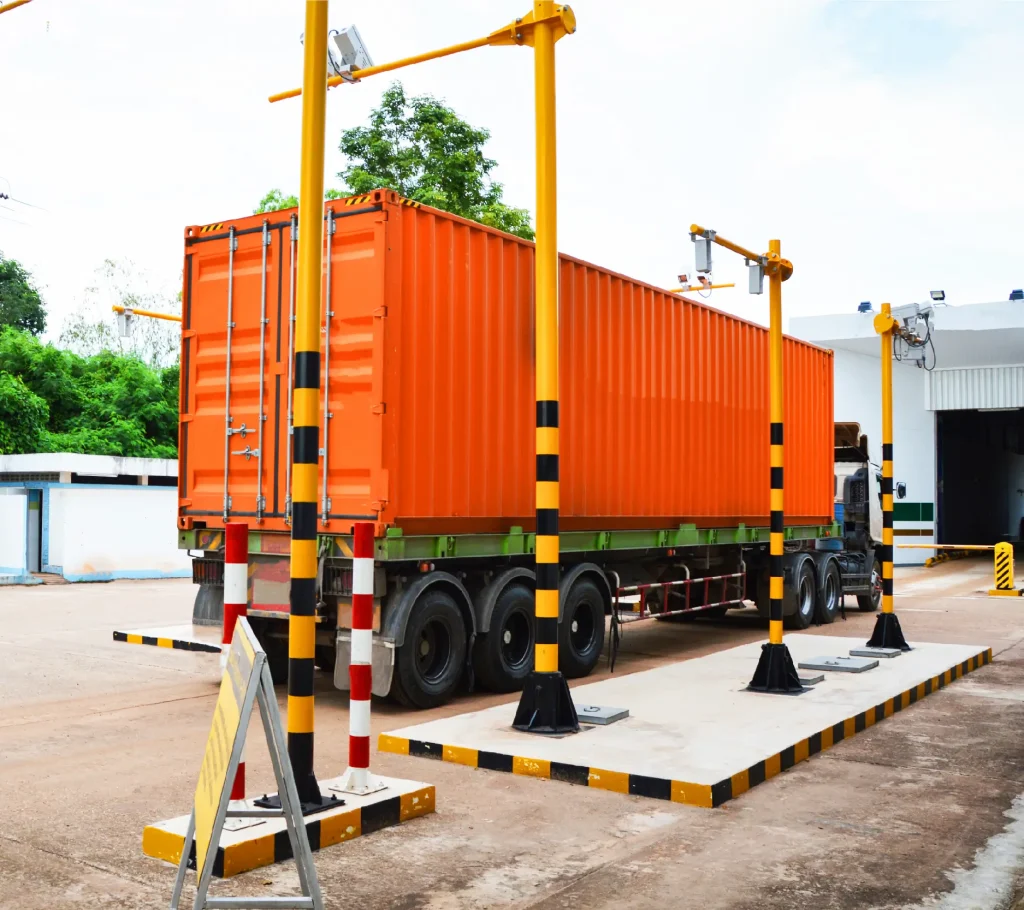
The future of weighbridge automation is being shaped by emerging technologies that are transforming industrial operations across India. As businesses increasingly adopt digital transformation strategies, weighbridge systems are evolving from simple weighing solutions into intelligent operational management platforms.
Artificial Intelligence (AI)
AI-powered systems can analyze historical weighbridge data to identify unusual patterns, detect anomalies, predict operational issues, and improve decision-making. AI can also help reduce fraud by automatically flagging suspicious transactions.
Internet of Things (IoT)
IoT-enabled sensors provide real-time monitoring of weighbridge performance, hardware health, and operational status. This allows organizations to proactively address issues before they impact productivity.
Cloud-Based Weighbridge Management
Cloud technology enables centralized monitoring of multiple facilities from a single dashboard. Businesses can access real-time data, reports, and alerts from anywhere, improving visibility and control.
Predictive Maintenance
Advanced monitoring systems can predict equipment failures before they occur. This reduces downtime, lowers maintenance costs, and extends equipment lifespan.
Mobile Applications
Mobile apps are becoming an integral part of weighbridge management, allowing supervisors and managers to monitor transactions, approve operations, and access reports remotely.
Advanced Analytics and Business Intelligence
Modern weighbridge platforms increasingly include powerful analytics tools that provide insights into vehicle movement, material flow, operational efficiency, and business performance.
Contactless Weighing Operations
Post-pandemic operational practices have accelerated the adoption of contactless technologies such as RFID, ANPR, QR codes, and automated gate control systems, reducing human interaction and improving safety.
Integration with Smart Logistics Ecosystems
Future weighbridge systems will become tightly integrated with transportation management systems, warehouse management software, fleet tracking platforms, and ERP solutions to create fully connected supply chains.
Edge Computing and Faster Data Processing
Edge computing technologies will enable real-time processing of vehicle and weight data directly at the site, reducing latency and improving system responsiveness.
As leading weighbridge manufacturers and every innovative weighbridge company in india continue investing in new technologies, businesses can expect more intelligent, secure, and efficient weighing solutions that support the next generation of industrial automation.
Conclusion
The growing need for efficiency, accuracy, security, and compliance is driving widespread adoption of weighbridge automation across Indian industries. A modern Weighbridge Automation System in India not only automates weighing operations but also transforms the entire logistics workflow through real-time monitoring, ERP integration, cloud connectivity, and intelligent reporting.
Whether you operate in mining, cement, steel, logistics, agriculture, or manufacturing, investing in weighbridge automation can significantly improve operational performance while reducing costs and fraud risks.
When selecting a solution, evaluate the technology stack, scalability, support capabilities, and expertise of the provider. Partnering with experienced weighbridge manufacturers and a reliable weighbridge company in india ensures successful deployment and long-term business value.
As industries continue to embrace digital transformation, weighbridge automation will remain a critical investment for organizations seeking smarter, faster, and more secure operations.