

How ERP Weighbridge Integration Improves Weighbridge Automation
Modern industries such as manufacturing, mining, cement, steel, logistics, agriculture, and construction handle hundreds or even thousands of vehicle movements every day. In these operations, accurate weighing is not only important for recording material movement but also for inventory, billing, dispatch, procurement, and financial reporting. When weighbridge data remains separate from business software, companies often depend on manual entry and reconciliation.
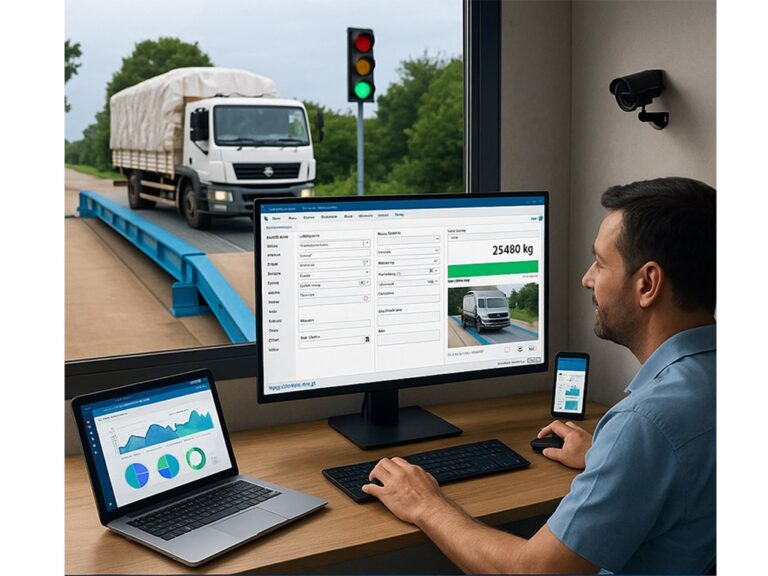
This is where ERP weighbridge Integration becomes highly valuable. By connecting weighbridge automation software with an ERP system, businesses can automatically transfer vehicle, weight, material, supplier, customer, and transaction information between systems. This reduces duplicate work, improves data accuracy, and gives management better visibility into material movement.
Modern weighbridge solutions are increasingly designed to work with ERP platforms such as SAP, Oracle, Microsoft Dynamics, Tally, and customized enterprise systems. Industry solutions commonly use APIs, databases, file-based communication, web services, or middleware to exchange information between the weighing system and ERP.
What Is ERP Weighbridge Integration?
ERP weighbridge Integration is the process of connecting an automated weighbridge system with an Enterprise Resource Planning platform so that weighing transactions can automatically flow into the company’s central business system.
A traditional weighbridge may record gross weight, tare weight, net weight, vehicle number, material, supplier, customer, date, and time. If this information is manually entered into an ERP system later, there is a possibility of duplicate entries, incorrect values, delays, and reconciliation problems.
With integration, the weighbridge becomes a connected data source rather than an isolated weighing machine. Once the weighing transaction is completed, relevant information can be transferred automatically to the ERP system. Depending on the business workflow, ERP data can also be sent back to the weighbridge software for vehicle validation, purchase order matching, dispatch authorization, or other checks. Modern integration platforms support both one-way and two-way data flows.
Why Traditional Weighbridge Management Creates Problems
Many industrial facilities still operate weighbridges with a combination of manual registers, spreadsheets, printed slips, and separate ERP records. This approach becomes increasingly difficult when vehicle traffic increases.
Some common challenges include:
- Duplicate data entry
- Incorrect vehicle or material information
- Delayed ERP updates
- Manual reconciliation
- Paper-based records
- Longer vehicle turnaround time
- Inventory discrepancies
- Billing delays
- Limited real-time visibility
- Higher dependency on operators
For example, a truck may be weighed at the gate, but the weight information may not reach the inventory or accounts department until later. This creates a gap between the physical movement of material and the business data used by management. A modern ERP integration solution closes this gap by creating an automated flow of verified weighing information.
How ERP Weighbridge Integration Works
The exact architecture depends on the ERP, weighbridge hardware, and business requirements. However, a typical workflow can be divided into several stages.
1. Vehicle Identification
When a truck reaches the facility, the system can identify it using RFID, ANPR cameras, vehicle databases, or other identification technologies. This reduces the need for operators to manually enter vehicle details.
2. ERP Data Verification
The weighbridge software can retrieve relevant information such as purchase orders, sales orders, material details, supplier information, or dispatch instructions from the ERP system.
This allows the system to check whether the vehicle and transaction are authorized before continuing.
3. Automatic Weight Capture
The digital weighbridge indicator and connected software capture the gross or tare weight automatically. Net weight can then be calculated according to the configured workflow.
4. Data Validation
The system can validate the weight, vehicle number, material, order number, and other transaction information before finalizing the weighment.
5. ERP Data Synchronization
Once the transaction is approved, the required weighing information is transferred to the ERP system. This can update inventory, dispatch, billing, purchase, or other business processes.
6. Digital Documentation
The system can generate a digital or printed weighment slip and maintain the transaction record for future reference. This type of automated workflow is increasingly used to connect weighing operations with inventory, logistics, accounting, and enterprise systems.
7 Major Benefits of ERP Weighbridge Integration
1. Eliminates Duplicate Data Entry
One of the biggest advantages of ERP weighbridge Integration is the reduction of repetitive manual work.
Without integration, an operator may record the weight in the weighbridge software, write it on a paper slip, enter it into a spreadsheet, and then enter the same information into an ERP system. Every additional entry creates another opportunity for error.
With automated synchronization, the weight transaction can move directly from the weighbridge software to the ERP system. This saves time and reduces unnecessary administrative work.
2. Improves Weighing Data Accuracy
Accurate weighing data is essential for businesses that purchase, sell, transport, or consume materials based on weight.
Manual data entry can result in incorrect vehicle numbers, wrong weights, duplicate records, or missing information. Weighing data integration helps maintain consistency because the original transaction can be transferred electronically. The ERP therefore receives data from the weighing process rather than relying on a second manually created record.
3. Enables Real-Time Inventory Updates
For industries handling bulk materials, inventory accuracy is closely connected to accurate weighing. When a truck delivers raw material, the recorded weight may need to update inventory or receiving records. Similarly, when finished goods are dispatched, the net weight may be required for stock deduction.
With an integrated system, relevant weighing information can reach the ERP quickly, providing better visibility into actual material movement. Real-time data synchronization is a major feature highlighted by current weighbridge integration solutions.
4. Speeds Up Dispatch and Receiving
Vehicle waiting time is an important operational concern for factories, warehouses, mines, ports, and logistics facilities.
An integrated system can automatically verify vehicle and order information, capture weight, update the relevant transaction, and support gate authorization. This reduces unnecessary communication between departments. Faster processing means trucks can complete their weighing process more efficiently, helping reduce queues and improve overall site productivity.
5. Improves Billing and Invoice Processing
Weight is often directly connected with billing. A company may calculate the value of transported material based on net weight or another approved measurement.
If weight information reaches the ERP automatically, billing teams do not have to wait for manually prepared documents or spreadsheets. Depending on the ERP workflow, the integrated system can support automated invoice, delivery note, gate pass, or transaction generation. This can reduce delays between physical dispatch and financial processing.
6. Creates Better Traceability and Audit Trails
A modern weighbridge system should not simply record a weight. It should create a complete transaction history.
An integrated system can maintain information such as:
- Vehicle identification
- Gross weight
- Tare weight
- Net weight
- Date and time
- Material details
- Supplier or customer
- Order reference
- Operator information
- Transaction status
This creates better traceability when a company needs to investigate a transaction, resolve a supplier dispute, check dispatch records, or prepare documentation for an audit.
7. Provides Better Management Visibility
When weighbridge information is connected to ERP and reporting systems, managers can get a clearer picture of material movement.
Instead of waiting for manually prepared daily or weekly reports, management can access information related to incoming and outgoing vehicles, material quantities, dispatches, inventory movement, and transaction history. This improves decision-making and allows organizations to identify operational bottlenecks more quickly.
Weighing Data Integration Solutions for Modern Industries
Every company does not have the same ERP, weighbridge equipment, or operational workflow. Therefore, weighing data integration solutions need to be flexible.
Modern integration can be implemented through different approaches, including:
- REST APIs
- Web services
- Database connectivity
- SQL/ODBC integration
- Middleware
- Secure file exchange
- Webhooks
- Custom integration connectors
The appropriate approach depends on the ERP architecture, existing weighbridge software, security requirements, network environment, and transaction volume. Current enterprise weighing platforms support combinations of APIs, staging tables, databases, and file-based integration to accommodate different environments.
ERP Integration with SAP, Oracle, Tally and Custom ERP
A major requirement for industrial businesses is compatibility with existing enterprise software.
An ERP integration solution can be designed to connect weighbridge software with platforms such as:
- SAP
- Oracle ERP
- Microsoft Dynamics
- Tally
- Odoo
- Custom ERP platforms
- Inventory management systems
- Logistics software
- Accounting systems
For example, Kotai Electronics specifically states that its weighbridge automation can integrate with SAP and other ERP systems to fetch and push truck and gate-pass information.
The integration should ideally be designed around the company’s actual workflow rather than forcing the business to completely change its existing ERP process.
How RFID and ANPR Improve ERP-Integrated Weighbridges
ERP integration becomes even more powerful when combined with automated vehicle identification.
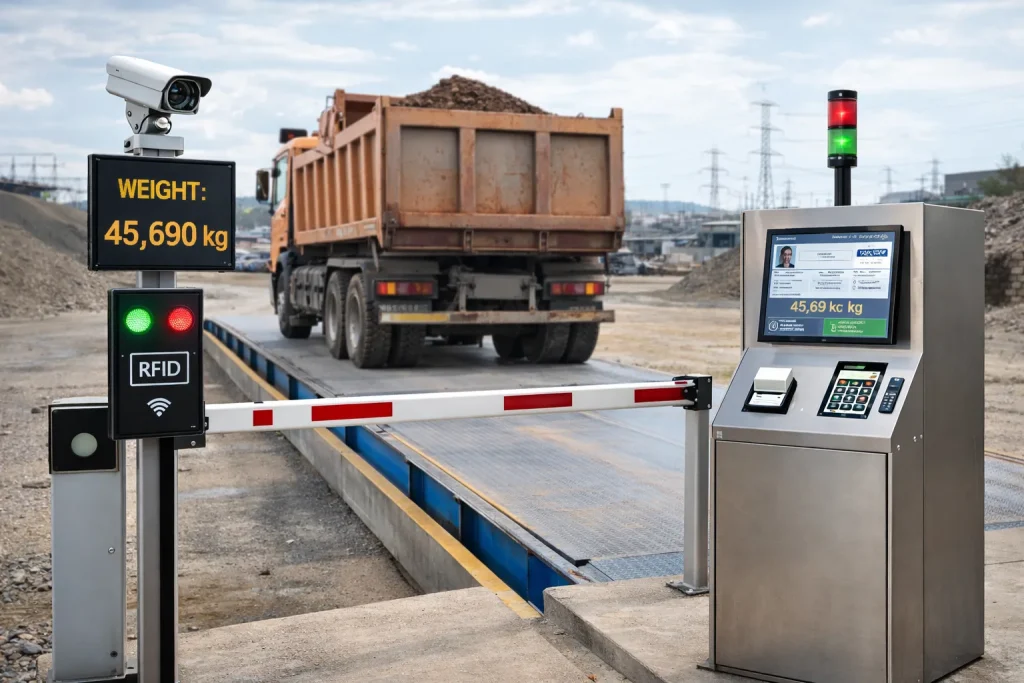
RFID can identify registered vehicles quickly, while ANPR cameras can capture and recognize vehicle number plates. The system can then associate the vehicle with the relevant transaction.
A typical workflow may look like:
Vehicle Arrival → RFID/ANPR Identification → ERP Verification → Automatic Weighing → Data Validation → ERP Synchronization → Digital Slip → Gate Exit
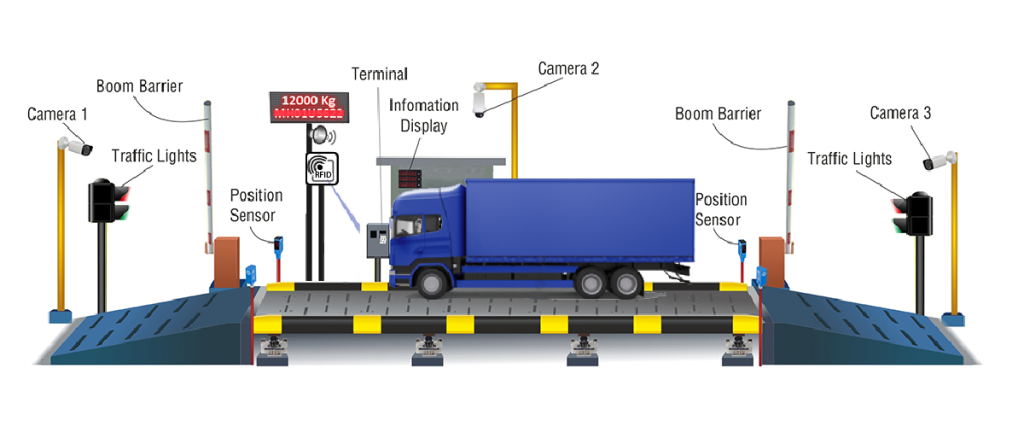
This reduces manual intervention while creating a more controlled and traceable process. Modern weighbridge automation systems commonly combine RFID, ANPR, boom barriers, traffic signals, software, and ERP connectivity.
ERP Integration Helps Prevent Data Manipulation
Data security is another important reason to integrate weighbridge operations with enterprise systems.
When operators manually copy weight records between different systems, it becomes difficult to maintain one consistent source of truth. An automated workflow can timestamp transactions, maintain audit trails, apply user permissions, and transfer approved records electronically.
This does not mean integration alone eliminates every form of fraud, but it significantly reduces opportunities created by manual processes and disconnected records. For industries where material quantity directly affects revenue, inventory, or supplier payments, maintaining reliable transaction records is particularly important.
What to Consider Before Choosing an ERP Integration Solution
Choosing the right ERP integration solution is an important decision because the integration becomes a critical part of the weighbridge and business workflow. A suitable solution should not only connect the weighbridge with the ERP but also ensure reliable data transfer, security, scalability, and smooth day-to-day operation. Before selecting a solution, businesses should carefully evaluate the following factors.
ERP Compatibility
First, check whether the integration solution is compatible with your existing ERP platform, such as SAP, Oracle, Microsoft Dynamics, Tally, Odoo, or a customized ERP. It should support the required APIs, databases, web services, or other communication methods used by your ERP.
Weighbridge and Hardware Compatibility
The solution should be compatible with your existing weighbridge equipment, digital indicators, RFID readers, ANPR cameras, printers, boom barriers, and other automation devices. Good compatibility can reduce the need for unnecessary hardware replacement and make implementation easier.
Real-Time Data Synchronization
Real-time weighing data integration is important for businesses that need accurate and up-to-date information. The system should automatically transfer weight, vehicle, material, supplier, customer, and transaction details to the ERP without unnecessary delays.
Data Accuracy and Validation
The integration should include proper validation mechanisms to prevent incorrect or incomplete transactions. Vehicle numbers, purchase orders, material details, weights, and other important fields should be checked before the transaction is finalized and transferred to the ERP.
Security and Access Control
Since weighbridge transactions can affect inventory, billing, and financial records, security should be a major consideration. Look for features such as user authentication, role-based access, audit trails, secure data transmission, and controlled access to important transaction information.
Scalability
Choose a solution that can grow with your business. If you plan to add more weighbridges, warehouses, plants, vehicles, or ERP modules in the future, the integration platform should be capable of supporting these additional requirements without requiring a complete system replacement.
Customization and Workflow Support
Every industry has different weighing and material movement processes. A good ERP integration solution should allow customization of fields, approval processes, reports, validations, and transaction workflows according to the company’s specific requirements.
Offline and Network Failure Support
Internet or network interruptions can affect automated operations. The system should ideally have mechanisms for storing transactions temporarily and synchronizing them when connectivity is restored. This helps prevent data loss and reduces operational disruption.
Reporting and Analytics
The integration should provide useful reports related to vehicle movement, gross weight, tare weight, net weight, material quantity, supplier transactions, dispatches, and other important activities. Better reporting helps management identify delays, discrepancies, and operational trends.
Technical Support and Maintenance
ERP integration is a long-term investment, so reliable technical support is essential. Before selecting a provider, consider software updates, troubleshooting, integration maintenance, training, customization support, and response time for technical issues.
Total Cost of Ownership
Finally, businesses should evaluate the complete cost of implementation, including software, hardware integration, customization, deployment, training, maintenance, and future upgrades. The cheapest solution may not always provide the best long-term value.
By evaluating these factors carefully, businesses can choose a reliable ERP integration solution that connects weighbridge operations with their broader digital ecosystem while improving accuracy, efficiency, transparency, and operational control.
The Future of ERP-Integrated Weighbridge Management
The future of weighbridge management is moving toward connected, automated, and data-driven operations. Cloud platforms, IoT devices, AI-based analytics, mobile dashboards, RFID, ANPR, and unmanned weighing systems are increasingly becoming part of modern industrial workflows.
When these technologies are connected with ERP, weighing information can become part of a larger digital supply chain. Instead of treating the weighbridge as an isolated weighing point, businesses can use it as an important source of operational and commercial data.
This approach supports the broader Industry 4.0 goal of connecting physical operations with digital business systems.
Conclusion
ERP weighbridge Integration is transforming the way modern industries manage vehicle weighing, material movement, inventory, dispatch, and business reporting. By connecting weighbridge software with ERP systems, companies can reduce manual data entry, improve weighing data accuracy, speed up vehicle processing, strengthen traceability, and gain better visibility into operations.
The real value of integration is not simply transferring weight data from one system to another. It is creating a connected workflow in which vehicle identification, weighing, validation, inventory, billing, dispatch, and reporting can work together.
For manufacturing plants, mining companies, cement industries, steel plants, logistics businesses, warehouses, and other organizations handling bulk materials, investing in reliable weighing data integration solutions can be an important step toward smarter and more efficient operations.
As industrial businesses continue adopting automation and digital transformation, an integrated weighbridge supported by a flexible ERP integration solution can provide the accuracy, transparency, and operational control required for modern business.