

Difference between physical and logical design of IoT
The Internet of Things (IoT) has changed how devices communicate, collect data, and automate daily tasks. From smart homes and healthcare systems to industrial automation and smart cities, IoT is making technology more intelligent and connected. However, understanding how an IoT system works requires learning about two important concepts: the physical design of IoT and the logical design of IoT.
Many students, developers, engineers, and beginners often get confused about the difference between physical and logical design of IoT because both are closely related but serve completely different purposes. The physical design focuses on the actual hardware components, while the logical design explains how data flows, communication happens, and services interact within an IoT ecosystem.
In this comprehensive guide, you will learn the difference between physical and logical design of IoT, understand their components, architecture, advantages, examples, and why both are essential for building efficient IoT solutions.
What is IoT?
The Internet of Things (IoT) is a network of physical devices connected to the internet that collect, exchange, and process data automatically. These devices include sensors, cameras, wearable devices, industrial machines, vehicles, home appliances, and many other smart systems.
IoT enables machines to communicate without human intervention. The collected data is analyzed to improve efficiency, reduce costs, increase automation, and support better decision-making. Modern IoT systems combine hardware, software, cloud computing, artificial intelligence, and networking technologies to create intelligent ecosystems.
What is Physical Design of IoT?
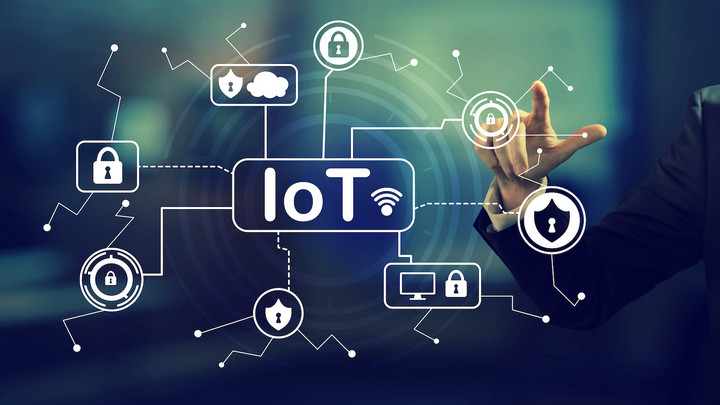
The physical design of IoT refers to all the tangible hardware components that make up an IoT system. These components are responsible for sensing, collecting, transmitting, and sometimes processing data from the physical environment.
Simply put, the physical design answers the question:
“What hardware is used in an IoT system?”
Without physical devices, an IoT system cannot collect real-world information or interact with its surroundings. Every smart IoT application depends on reliable hardware that performs sensing, communication, and control tasks.
The physical layer acts as the bridge between the real world and digital systems.
Components of Physical Design of IoT
1. Sensors
Sensors detect environmental changes and convert them into digital data.
Examples include:
- Temperature Sensor
- Humidity Sensor
- Pressure Sensor
- Motion Sensor
- Light Sensor
- Gas Sensor
- Water Level Sensor
For example, a temperature sensor continuously measures room temperature and sends data to the cloud.
2. Actuators
Actuators perform physical actions based on received commands.
Examples include:
- Motors
- Relays
- Valves
- Smart Locks
- Robotic Arms
If a smart thermostat detects high room temperature, it sends a signal to an actuator that switches on the air conditioner.
3. IoT Devices
IoT devices combine sensors, processors, communication modules, and software into a single system.
Examples:
- Smart Watch
- Smart Refrigerator
- Smart TV
- Smart Camera
- Fitness Band
- Smart Meter
4. Connectivity Modules
Communication modules connect IoT devices with other systems.
Common communication technologies include:
- Wi-Fi
- Bluetooth
- Zigbee
- RFID
- NFC
- LoRaWAN
- Cellular (4G/5G)
- Ethernet
Choosing the right communication technology depends on range, power consumption, speed, and application requirements.
5. Embedded Controllers
Embedded controllers process sensor data before transmitting it.
Popular controllers include:
- Arduino
- ESP32
- Raspberry Pi
- STM32
- NodeMCU
These controllers execute programs and manage communication between sensors and cloud platforms.
6. Power Supply
Every IoT device requires a reliable power source.
Common options include:
- Batteries
- Solar Panels
- Power Adapters
- Energy Harvesting Systems
Power efficiency is especially important for remote IoT deployments.
Features of Physical Design of IoT
Some important characteristics include:
- Real-world interaction
- Hardware-based implementation
- Sensor integration
- Communication capability
- Device connectivity
- Power management
- Scalability
- Reliability
What is Logical Design of IoT?
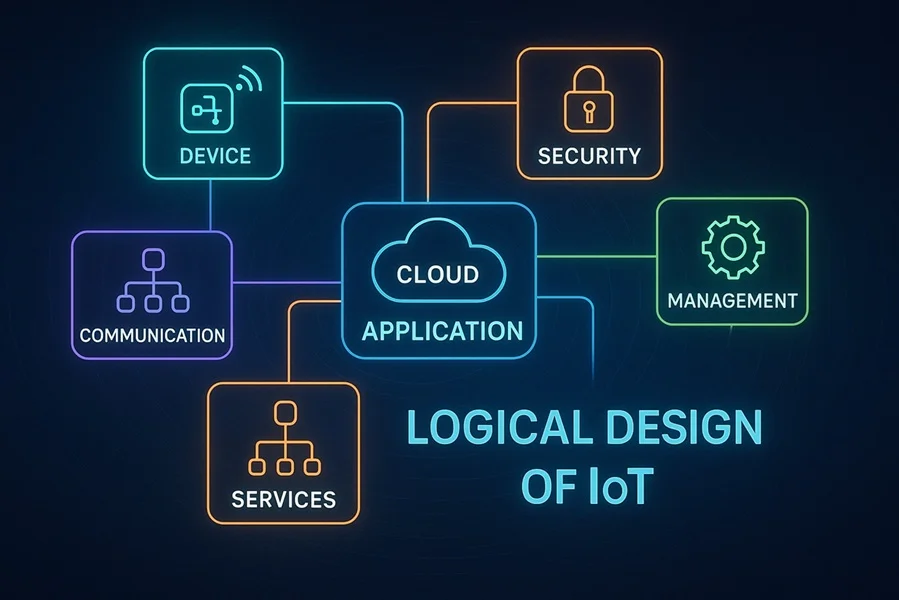
The logical design of IoT defines how an IoT system operates from a software and communication perspective. It describes how devices communicate, how data flows, how services interact, and how applications process information.
In simple words, the logical design of IoT focuses on:
- Data communication
- Software architecture
- Functional blocks
- IoT protocols
- Service management
Unlike physical design, logical design does not involve hardware components directly. Instead, it explains how the complete IoT ecosystem functions internally.
Components of Logical Design of IoT
1. IoT Functional Blocks
An IoT system generally consists of several functional blocks.
Device Block
Responsible for collecting environmental data.
Communication Block
Transfers data between devices, gateways, and cloud servers.
Service Block
Processes collected information and performs decision-making.
Management Block
Handles monitoring, configuration, updates, and device management.
Security Block
Protects data using:
- Authentication
- Encryption
- Authorization
- Access Control
Application Block
Provides user interaction through:
- Mobile Apps
- Dashboards
- Web Applications
2. Communication Models
Logical IoT design defines communication patterns.
Common models include:
Device-to-Device (D2D)
Devices communicate directly.
Example:
Smart bulbs connected through Bluetooth.
Device-to-Cloud
Devices send data directly to cloud servers.
Example:
Smart fitness trackers uploading health data.
Device-to-Gateway
Devices communicate through an intermediate gateway.
Example:
Industrial automation systems.
Back-End Data Sharing
Cloud platforms exchange data with multiple applications.
Example:
Smart city management systems.
3. Communication APIs
Logical design also includes APIs that allow software communication.
Examples include:
- REST API
- WebSocket
- MQTT
- CoAP
- AMQP
Features of Logical Design of IoT
Key features include:
- Software architecture
- Data management
- Device communication
- Cloud integration
- Security implementation
- Service orchestration
- Protocol management
- Application development
Difference Between Physical and Logical Design of IoT
The difference between physical and logical design of IoT lies in their roles within an IoT system. Physical design focuses on the actual hardware that interacts with the environment, while logical design focuses on how software, communication, and data processing work together.
Although both designs complement each other, they address different aspects of an IoT solution. Physical design provides the infrastructure, whereas logical design ensures efficient communication and intelligent decision-making.
Physical Design vs Logical Design of IoT (Comparison Table)
| Feature | Physical Design of IoT | Logical Design of IoT |
|---|---|---|
| Definition | Hardware components of IoT | Functional architecture of IoT |
| Focus | Physical devices | Software and communication |
| Includes | Sensors, actuators, controllers | Functional blocks, services, APIs |
| Purpose | Data collection | Data processing |
| Layer | Hardware | Software |
| Connectivity | Physical communication modules | Communication protocols |
| Data Handling | Collects raw data | Processes and analyzes data |
| User Interaction | Limited | Through applications |
| Maintenance | Hardware replacement | Software updates |
| Examples | Sensors, Raspberry Pi | MQTT, REST API, Cloud Services |
Physical Design Workflow
The physical workflow generally follows these steps:
- Sensors collect environmental data.
- Embedded controllers process raw information.
- Communication modules send data.
- Devices connect to gateways or cloud.
- Actuators perform required actions.
This process represents how physical components interact with the surrounding environment.
Logical Design Workflow
The logical workflow includes:
- Data received from devices.
- Communication protocol selection.
- Cloud data storage.
- Data processing.
- Analytics.
- Decision making.
- Application display.
- Command sent back to devices.
This workflow enables intelligent automation across IoT systems.
Real-Life Example 1: Smart Home
Consider a smart home automation system.
Physical Design
- Motion Sensor
- Smart Lock
- Smart Bulb
- Wi-Fi Module
- Temperature Sensor
- Smart Camera
Logical Design
- Motion detection service
- Mobile application
- Cloud database
- User authentication
- Notification service
- Device management software
The hardware detects activity, while the software decides what actions to take and informs the user.
Real-Life Example 2: Smart Agriculture
Modern farming uses IoT to monitor crops and irrigation.
Physical Design
- Soil Moisture Sensor
- Water Pump
- Weather Sensor
- Solar Panel
- Gateway Device
Logical Design
- Irrigation scheduling
- Weather analysis
- Mobile dashboard
- Cloud analytics
- Alert system
This combination helps farmers save water and improve crop yield.
Real-Life Example 3: Industrial IoT
Factories use IoT for predictive maintenance.
Physical Design
- Vibration Sensors
- Temperature Sensors
- PLC Controllers
- Industrial Gateways
Logical Design
- Machine monitoring
- Predictive analytics
- Maintenance scheduling
- Cloud dashboards
- AI-based fault detection
Why Both Designs Are Important
A successful IoT solution cannot rely only on hardware or software. Physical and logical designs work together to create a complete ecosystem.
The physical design gathers accurate data from the environment, while the logical design transforms that data into meaningful insights and automated actions. Without hardware, there would be no information to process. Without logical architecture, the collected data would have little practical value.
Together, they improve system reliability, scalability, security, and efficiency across applications such as healthcare, transportation, manufacturing, and smart cities.
Functional Blocks of Logical Design of IoT
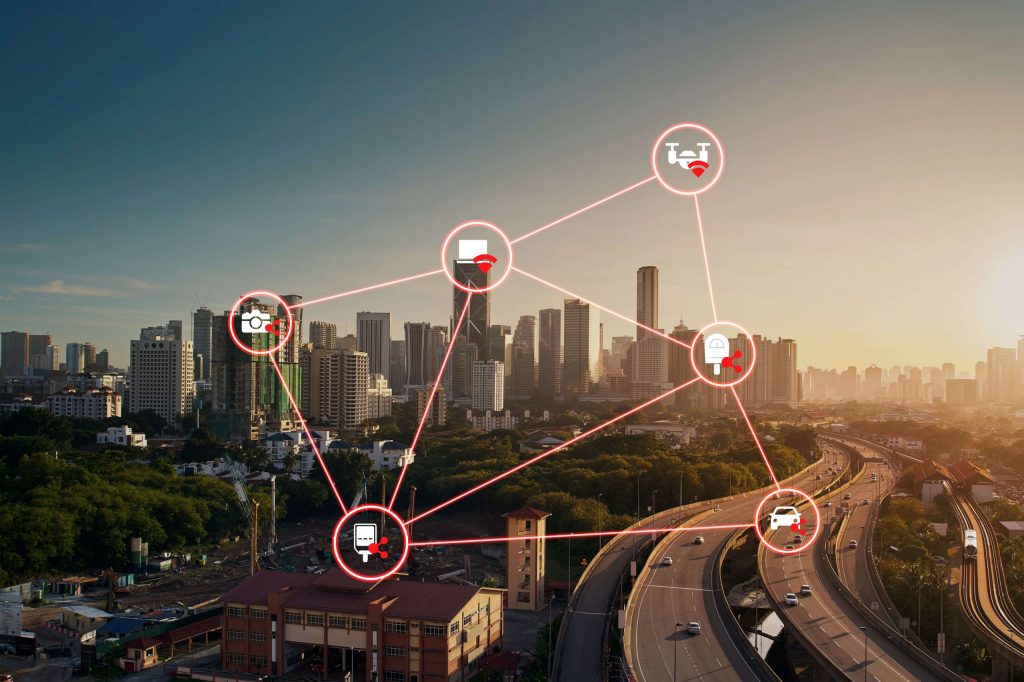
The logical design of IoT is built around several functional blocks that work together to ensure seamless communication and intelligent automation.
1. Device Functional Block
The device block includes all IoT devices that collect data from the surrounding environment. These devices may contain one or more sensors and embedded processors that continuously monitor real-world conditions.
Common examples include:
- Smart watches
- Temperature sensors
- Smart cameras
- Air quality monitors
- GPS trackers
The data collected by these devices is forwarded to other components for processing and decision-making.
2. Communication Functional Block
The communication block is responsible for transferring data between IoT devices, gateways, cloud servers, and applications. It ensures that information reaches its destination quickly and securely.
Common communication technologies include:
- Wi-Fi
- Bluetooth
- Zigbee
- LoRaWAN
- NB-IoT
- 4G/5G Networks
- Ethernet
Reliable communication is essential because even the most advanced sensors become ineffective if their data cannot be transmitted accurately.
3. Services Functional Block
The services layer processes incoming data and performs different operations based on predefined rules or algorithms. It converts raw sensor data into meaningful information that users and businesses can use for decision-making.
Typical services include:
- Data collection
- Data filtering
- Event detection
- Automation
- Notifications
- Cloud synchronization
This layer plays a major role in transforming ordinary connected devices into intelligent systems.
4. Management Functional Block
As IoT deployments grow, managing thousands of connected devices becomes increasingly complex. The management block simplifies this process by handling configuration, monitoring, diagnostics, and software updates.
Its responsibilities include:
- Device registration
- Firmware updates
- Health monitoring
- Fault detection
- Performance optimization
- Device lifecycle management
Good device management improves reliability and reduces maintenance costs.
5. Security Functional Block
Security is one of the most important parts of the logical design of IoT. Since IoT devices exchange sensitive information, protecting data from cyberattacks is essential.
Security mechanisms include:
- User authentication
- Device authentication
- Data encryption
- Secure communication
- Access control
- Digital certificates
- Identity management
Strong security protects both users and connected infrastructure.
Common Communication Protocols in IoT
Communication protocols define how IoT devices exchange information. Choosing the right protocol depends on the application’s speed, power consumption, bandwidth, and security requirements.
MQTT (Message Queuing Telemetry Transport)
MQTT is one of the most popular IoT communication protocols. It uses a lightweight publish-subscribe architecture, making it ideal for devices with limited processing power and low bandwidth.
Advantages
- Low power consumption
- Lightweight protocol
- Fast communication
- Reliable message delivery
- Ideal for remote monitoring
Applications
- Smart homes
- Industrial automation
- Agriculture
- Vehicle tracking
CoAP (Constrained Application Protocol)
CoAP is specifically designed for small IoT devices operating in constrained environments. It provides efficient communication while minimizing network overhead.
Benefits
- Lightweight
- Low latency
- Low bandwidth usage
- Easy REST integration
HTTP
HTTP is widely used for communication between IoT devices and web servers. Although it consumes more bandwidth than MQTT, it is simple to implement and compatible with existing web infrastructure.
Common applications include:
- Web dashboards
- Smart home applications
- Cloud APIs
AMQP (Advanced Message Queuing Protocol)
AMQP is commonly used in enterprise IoT applications where reliable messaging is critical.
Features include:
- Guaranteed delivery
- Message queuing
- Secure communication
- High reliability
It is widely used in banking, industrial automation, and business applications.
Communication Models in Logical Design of IoT
The logical and physical design of IoT includes different communication models depending on the application’s requirements.
Device-to-Device Model
In this model, two IoT devices communicate directly without involving a cloud server.
Example:
- Smart bulb communicating with a smart switch using Bluetooth.
Device-to-Cloud Model
Here, IoT devices send data directly to cloud servers where it is processed and stored.
Example:
- Smart fitness bands uploading health data to cloud applications.
Device-to-Gateway Model
Some IoT devices communicate through an intermediate gateway instead of connecting directly to the cloud.
The gateway provides:
- Protocol conversion
- Data filtering
- Security
- Local processing
Example:
Industrial automation systems.
Cloud-to-Cloud Communication
Large organizations often integrate multiple cloud platforms.
Example:
A healthcare system sharing patient information between different hospital management systems.
Real-World Example: Smart Healthcare
Healthcare is one of the fastest-growing IoT sectors.
Physical Design
The physical design of IoT includes:
- Heart rate sensors
- Blood pressure monitors
- Oxygen sensors
- Wearable devices
- Smart ECG machines
These devices continuously collect patient health information.
Logical Design
The logical design of IoT includes:
- Cloud storage
- Patient dashboards
- AI-based health analysis
- Doctor notifications
- Emergency alerts
- Electronic medical records
Together, these components enable remote patient monitoring and faster medical decisions.
Real-World Example: Smart City
Modern smart cities rely heavily on IoT.
Physical Components
- Traffic cameras
- Parking sensors
- Environmental sensors
- Smart street lights
- Waste management sensors
Logical Components
- Traffic management software
- Cloud analytics
- Citizen mobile applications
- Emergency response systems
- AI traffic prediction
The physical devices collect city-wide data, while the logical system analyzes and uses that information to improve urban services.
Benefits of Physical Design of IoT
The physical design of IoT provides several advantages that enable efficient real-world interaction.
Key Benefits
- Accurate environmental monitoring
- Real-time sensing
- Device automation
- Improved operational efficiency
- Better resource utilization
- Reduced human intervention
- Increased productivity
- Enhanced safety
These benefits make physical hardware the foundation of every IoT solution.
Benefits of Logical Design of IoT
The logical design of IoT adds intelligence and automation to connected systems.
Advantages
- Intelligent decision-making
- Cloud connectivity
- Data analytics
- Remote monitoring
- Predictive maintenance
- High scalability
- Better cybersecurity
- Faster communication
Without logical design, collected sensor data would remain unorganized and difficult to use effectively.
Final Thoughts
Understanding the difference between physical and logical design of IoT is essential for students, developers, engineers, and businesses working with connected technologies. The physical design of IoT focuses on hardware elements such as sensors, actuators, communication modules, embedded controllers, and power systems that interact with the real world. In contrast, the logical design of IoT defines how data is collected, transmitted, processed, secured, and transformed into meaningful actions through software, communication protocols, cloud platforms, and applications.
A successful IoT solution depends on the seamless integration of both designs. Reliable hardware ensures accurate data collection, while a well-planned logical architecture enables intelligent automation, analytics, and decision-making. Whether building smart homes, industrial automation systems, healthcare solutions, agriculture monitoring, or smart cities, understanding the relationship between the physical and logical design of IoT is the foundation for creating scalable, secure, and high-performing IoT applications.